Paris beyond the postcard, and Burgundy after
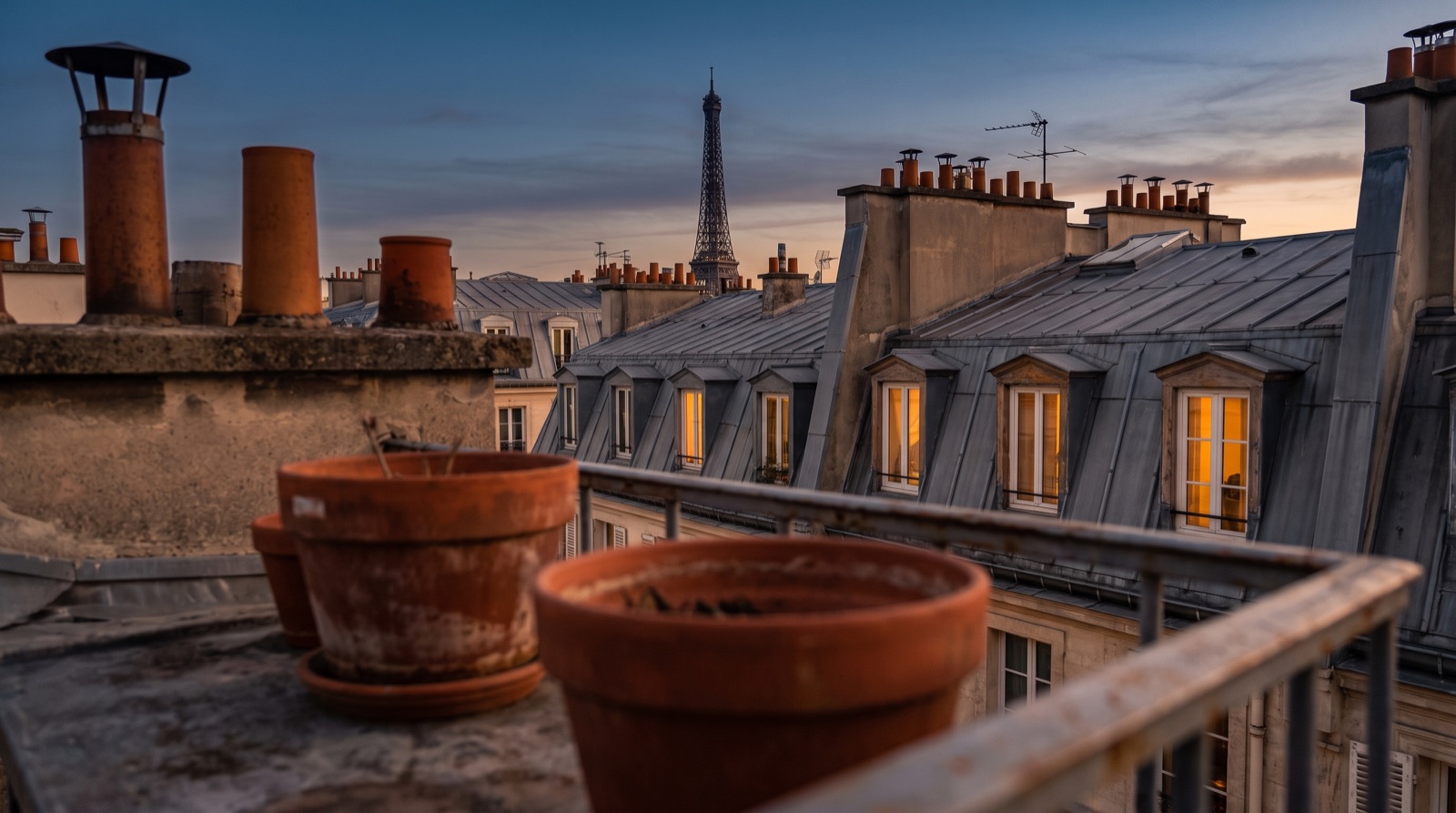
Paris punishes the checklist tourist and rewards the one who picks a handful of arrondissements and refuses to leave them. The Eiffel Tower is fine from a bridge at dusk; it doesn't need an hour in a queue to prove itself, and the Louvre rewards one focused wing far more than a day spent chasing three. This guide spends four days at street level, mostly east of the postcard axis, and three days after in Burgundy, which isn't a consolation prize for leaving the city. It's the better half of the trip. Go there for the wine, stay for how much slower everything moves once you're off the Métro and onto a village high street with one boulangerie and no queue at all.
Days 1-4 · Paris, east of the postcard axis
Start in Belleville, not the Marais, and let the city's least photographed neighbourhood set the tone. The market on rue de Belleville runs Tuesday, Friday and Sunday mornings, and it's where you'll find the city actually shopping rather than posing for it: North African bakeries, Chinese greengrocers, a fishmonger who's been there thirty years. Climb into Parc de Belleville afterwards for a view of the city that most guidebooks give to Montmartre instead, and you'll likely have the terraces to yourself on a weekday morning. Walk down to the canal Saint-Martin by mid-morning, when the footbridges are still uncrowded and the houseboats haven't been claimed by the evening's picnickers.
By early afternoon, cross into the 10th and follow the canal south towards République, past the lock gates where local teenagers still swim in August despite the signs telling them not to. This stretch of Paris, unlike the postcard version around the Champs-Élysées, is lived in rather than performed, and it shows in the mix of shopfronts: a hundred-year-old hardware store next to a natural wine bar next to a Vietnamese sandwich counter with a queue that's worth joining.
Give the Marais an afternoon, but go for the Musée Carnavalet, which is free and mostly empty, before the rue des Rosiers falafel queue you already know about. The boulangerie habit worth adopting: pick one bakery near where you're staying and go back every morning, not for novelty but for the baker to start recognising you by day three. That's when Paris starts feeling like a neighbourhood instead of a museum. One honest warning: much of the city shuts for August. Family-run bistros, favourite boulangeries, entire streets in the Marais, all dark for three or four weeks. If you're travelling in high summer, check opening hours before you build a day around a specific address.
Evenings belong to whichever quarter you didn't cover that morning. Ménilmontant for a wine bar with no sign outside, the kind you only find because someone who lives there told you about it. The Left Bank's rue Mouffetard for the market stalls turning into dinner, and the steep cobbled top of the street for a view down towards the Panthéon once the crowds thin after 8pm. Skip the bateaux-mouches; walk the Seine after dark instead, from Notre-Dame to the Musée d'Orsay, and you'll see more of the city's actual shape than any river cruise shows you, floodlit facades included at no extra cost.
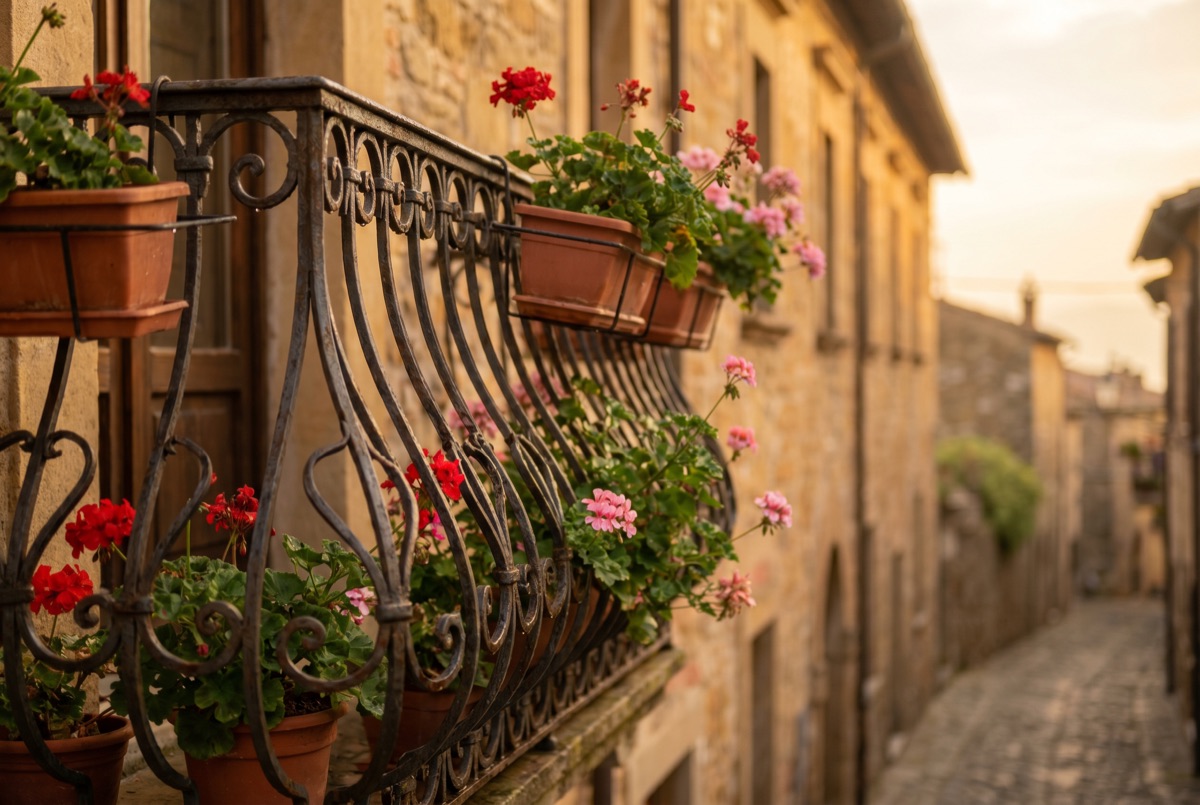
Days 5-7 · Burgundy, one appetite at a time
Take the TGV to Dijon rather than driving out of Paris; ninety minutes against three hours on the périphérique and the A6 isn't a close call. Hire a car in Dijon itself and give the first afternoon to the covered market, Les Halles, then the mustard shops on rue de la Liberté before the day-trippers arrive by coach. Dijon's old town rewards an aimless hour more than any single museum does: the owl trail set into the pavement is a tourist gimmick, but it's a genuinely good excuse to wander streets you'd otherwise walk past.
The Côte d'Or is a twenty-minute drive south and worth doing slowly: Meursault and Pommard for the villages the big producers don't bother naming on supermarket labels, Beaune for an afternoon in the wine caves cut into the hillside, cool and quiet even in August. Cycle the Voie des Vignes between villages if the weather holds; it's flat, well-marked, and the vineyards are close enough to touch from the path. Book a tasting ahead rather than turning up cold; the smaller domaines pour maybe a dozen visitors a day and fill their afternoon slots by the time you'd normally think to call. This is a different pace than island-hopping through Croatia, where the next stop is always a ferry away. Burgundy asks you to slow down and stay, not keep moving.
Spend a morning at the Abbaye de Fontenay, a Cistercian abbey largely untouched since the twelfth century, before the light gets too flat for the cloister to photograph well. If Fontenay leaves you wanting more of the region's monastic history, Cluny is a further hour south and worth it for anyone who cares how much of the abbey's original scale was lost to the Revolution. Book a table for dinner in Beaune itself; the good bistros seat maybe twenty covers and fill up by 7.30pm on weekends, and a phone call from the road that morning beats hoping for a walk-in table at nine.
Day 8 · Your own chapter
From Burgundy the trip opens up, and the direction you take says more about the kind of traveller you are than any guidebook chapter could. Head south to Provence for lavender season if you're travelling in July, though book accommodation well ahead; the whole region knows what it's sitting on, and the villages around Valensole fill up fast once the fields turn. Turn west instead for the Loire and its chateaux, a gentler landscape and a full day at Chenonceau alone if you let it, the light on the water changing the building's mood by the hour. Or cross east into Alsace, half-timbered and quietly its own thing, and keep going into Germany if you're chaining this trip with a Rhine leg. None of these is the wrong answer, and none of them needs deciding before you land.
the city hums in arrondissements.
the country answers in vineyards.
Send one home from {destination} - your photo, fourteen words, and a stamp that gifts data back.
{destination} eSIM from {price} - and your first postcard home is free.
More places to take it
All guides →