Croatia's coast, one ferry at a time
Everyone arrives in Split with a list of six islands and a week to see them. Don't. The ferry timetable makes that decision for you long before the sun does: Jadrolinija runs on its own clock, not yours, and the fast catamarans sell out by breakfast in July. Pick a stretch, Split and two islands is plenty, and let the boats set the pace. The itinerary that survives contact with the coast is the short one.
Split works as the hinge for this whole trip, and that's not an accident. It's a real city with a functioning old town, not a resort dressed up as one, which means the ferries, the flights, and the good bakeries all converge in the same few streets. Base yourself there for the first stretch, then let the harbour decide where you go next depending on which crossing has a seat left. The Dalmatian coast runs for hundreds of kilometres and hundreds of islands beyond what any single trip can cover, so treat this as one chapter of a longer relationship with the coast, not the whole book.
Days 1-2 · Split, inside Diocletian's walls
Stay inside the old town and you're inside a Roman emperor's retirement palace, which is a strange sentence until you're standing in it. Skip the queue for the Cathedral bell tower at midday; go up near 8am instead, before the cruise groups spill off the ships docked at the Riva. Green Market (Pazar), just outside the Silver Gate, is where you buy breakfast: figs, prosciutto, and a burek from the stall that has the longest local queue, not the one with the English menu taped to the counter.
Wander without a map for the first hour. The old town is small enough that you can't really get lost, only pleasantly delayed, and the marble streets polished smooth by sixteen centuries of foot traffic are worth losing an hour to. Peristil Square at 9am, before the tour groups fill it, gives you the Cathedral bell tower and the sphinx in near silence. By 11am it's a different square entirely, loud and photographed, and that's fine too, just plan around it rather than fighting it.
Swim at Bačvice in the late afternoon, around 5pm, when the water's warm and the picigin players are out knocking a ball around in the shallows. It's a five-minute walk from the old town and the closest thing Split has to a proper city beach. In the evening, eat on Dosud or one of the backstreets off Marmontova, away from the Riva's tourist-priced terraces, and book nothing you could book from home. If you want one proper meal booked ahead, make it the one night you're not on an island, since restaurant capacity on Hvar and Vis in August is its own small crisis.
Days 3-6 · Hvar or Vis, by ferry
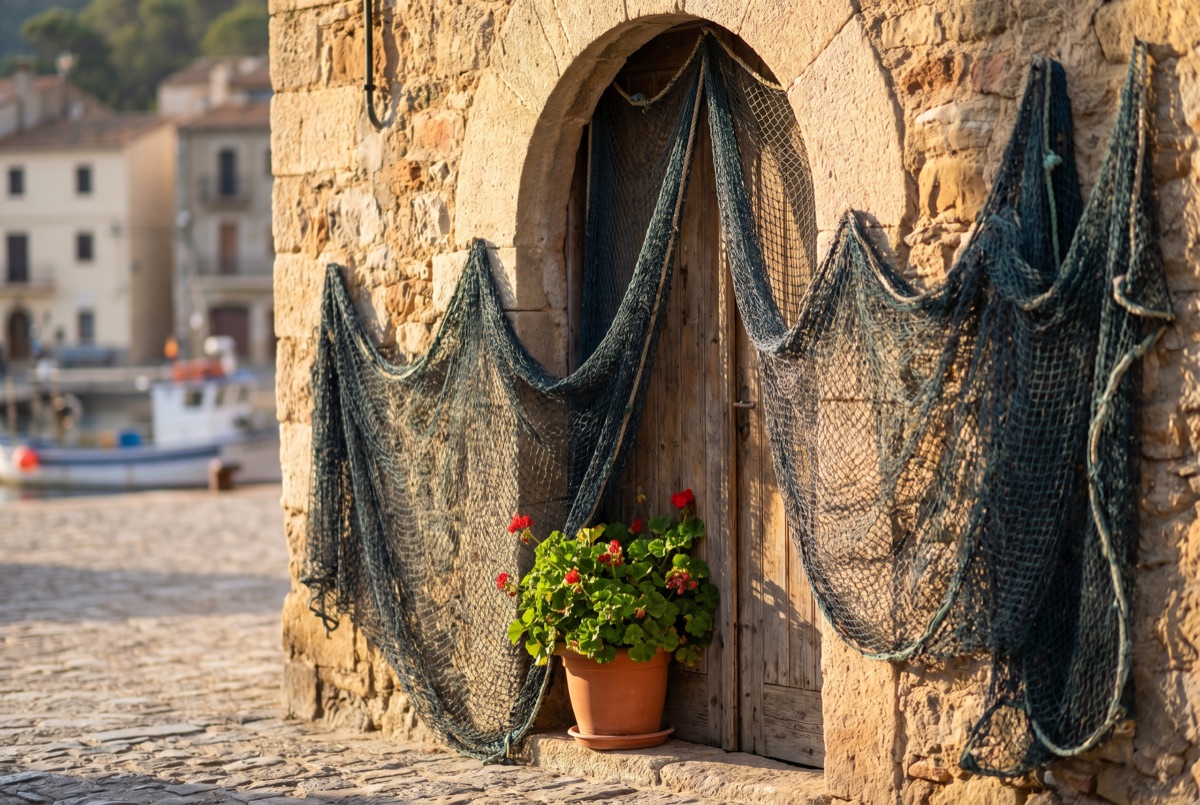
This is the honest fork in the trip. Hvar Town is polished, photogenic, and busy: lavender fields inland, a fortress above the harbour, and a nightlife scene that runs late into the small hours around the marina. Climb up to the Spanish Fortress at dusk, around 7.30pm in high summer, for the view over the Pakleni Islands as the day boats head back in. Vis is what Hvar was before the yachts found it, closed to foreign tourists until 1989 and still slower for it: Komiža's fishing harbour, the Blue Cave day trip from Biševo, and dinner that starts whenever the owner feels like cooking rather than when a menu says.
Either way, book the ferry, not just the island. Catamarans from Split to Hvar Town run several times a day in season and sell out fast on weekends, especially the early one that locals use to commute; the car ferry to Vis is slower, less frequent, and worth booking a full day ahead if you're bringing a hire car. Check Jadrolinija's timetable the night before, not the morning of, since summer schedules shift by season and sometimes by the week. The one honest warning worth repeating: a bura wind can cancel sailings with almost no notice, and there is no rebooking your way around bad weather in the Adriatic. Build a spare day into the plan if your onward connection actually matters, the way Greece, island by island warns you to for the Cyclades.
If you can only pick one, let your tolerance for crowds decide. Hvar rewards travellers who want a lively harbour, good wine bars, and a beach club scene. Vis rewards the ones who'd rather eat grilled fish at a konoba with no sign out front and swim off rocks with nobody else around. Neither island is wrong, but they're not the same trip, and switching between them mid-week means one more ferry booking and one more evening spent checking the weather forecast for the crossing.
Day 7 · Your own chapter
From here the coast branches three ways and we're not going to choose for you. Head south to Korčula for Marco Polo's disputed birthplace and a walled old town with half of Dubrovnik's crowds and a fraction of the prices; the ferry connections from Hvar run most mornings in season, so check before you commit to a night there. Double back to Split and take the bus down to Dubrovnik itself if the walls are calling, though budget the whole day for it once you count the coast road and the queue at Pile Gate. Or stay put on whichever island you landed on and do nothing at all, which on this coast counts as a legitimate plan: one more swim, one more long lunch, one more ferry you deliberately let leave without you.
the sea keeps its own timetable,
and you learn to keep it too.
Send one home from {destination} - your photo, fourteen words, and a stamp that gifts data back.
{destination} eSIM from {price} - and your first postcard home is free.
More places to take it
All guides →