Marrakech, and how to actually move through the souk
Marrakech is not a two-day layover before someone else's itinerary starts, and treating it like a photo op between riads is exactly how the medina wears you out by day two. Commit to four full days inside it, learning to read the souk instead of fighting it, then take the coast road to Essaouira for two days that undo everything Marrakech wound up. Skip the rushed Casablanca stopover and the same-day Fes add-on that turns both cities into a blur. One souk, done properly, and one honest exhale by the Atlantic is a week that actually holds together.
Days 1-4 · Marrakech, learning the medina's logic
Forget the map on day one, then use it properly from day two. The medina isn't built on a grid, it's built on gates: Bab Doukkala, Bab Ftouh, Bab el Khemis, and Jemaa el-Fnaa itself function as the anchors everyone, locals included, navigates by. Get properly lost once in the souk north of the square, the dye souks and lantern makers around Souk Semmarine, purely to learn what a wrong turn actually costs you here, five minutes, not an afternoon. Then let an offline map app do the reorienting instead of a stranger who's suddenly very keen to walk you somewhere "better." The line "that souk is closed today" is never true; it means a shop further along pays for the referral.
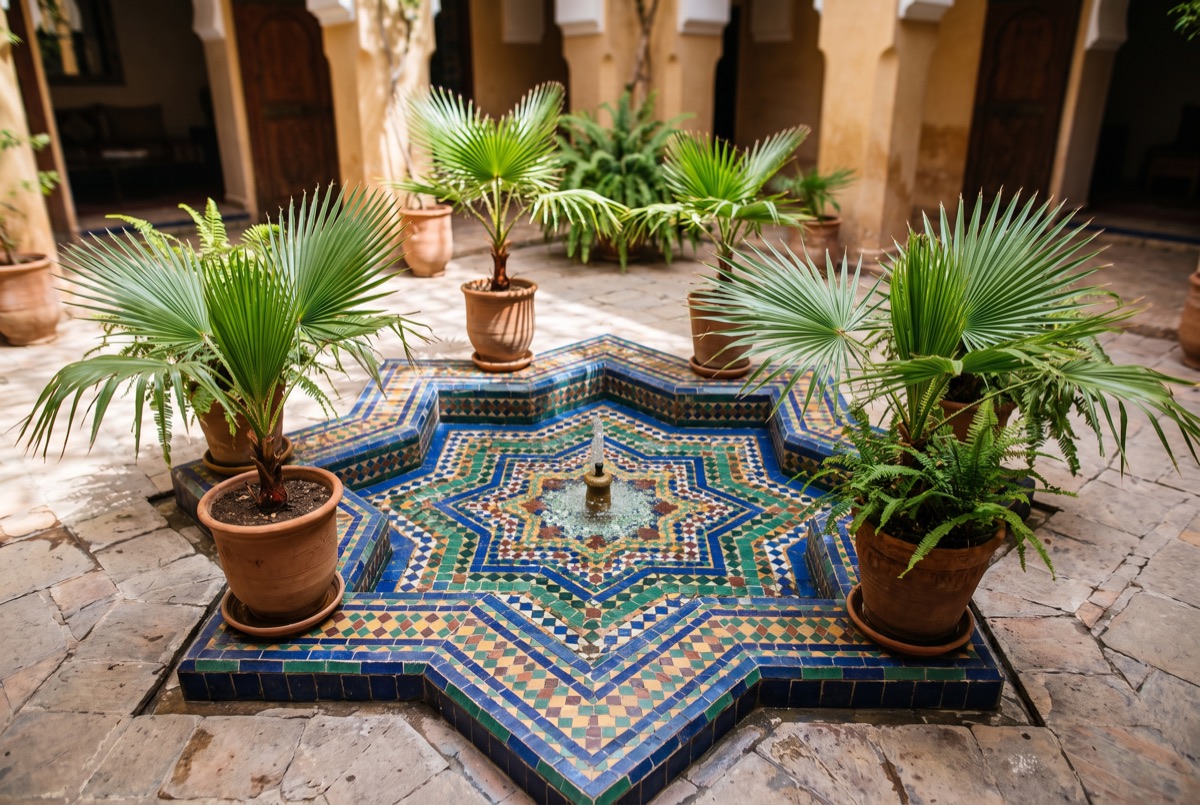
Haggling here is a conversation, not an ambush, and it works best once you stop treating the first price as an insult. Start at a third of what's asked, expect to land somewhere in the middle, and treat a flat no as information rather than defeat: walking away brings most sellers back within a few steps if the number was ever going to move. Rahba Kedima's spice and carpet stalls are where the pitch gets most aggressive, so go there once you've had a day of easier practice in the leather souk or the babouche stalls near Souk Cherifia. Riads earn their keep here more than almost anywhere else: a courtyard with running water and a rooftop terrace is the actual antidote to the medina's noise, not a bonus. Book one with a hammam or at least a genuine plunge pool, you'll use it every single afternoon.
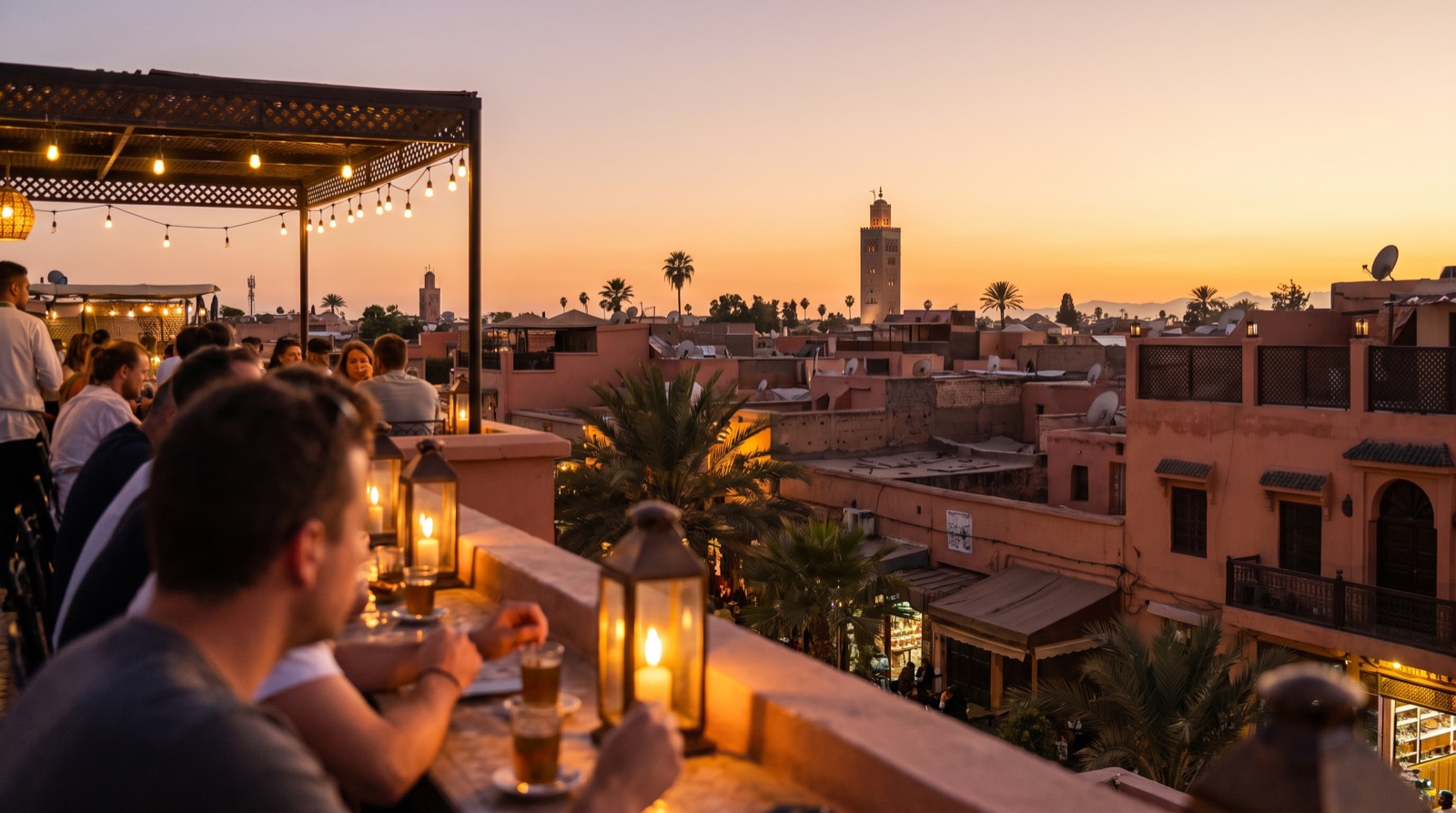
Go out by 8am, before the heat and the day-trip coaches arrive, and retreat again between 1pm and 4pm, when even locals thin out and the riad rooftop is the only sensible place to be, especially from May through September. Jemaa el-Fnaa earns its reputation in the evening, not the afternoon: the orange juice stalls, the storytellers, the food stalls that only set up after 6pm. The honest friction is real. The "faux guide" hustle around Bahia Palace and the Ben Youssef Madrasa is persistent enough that a flat, unbroken "no, thank you" works better than any explanation, and haggling fatigue is a genuine thing by day three. Build in a slow morning at the Jardin Majorelle or Le Jardin Secret; gardens are the medina's pressure valve, not an afterthought. It's the same discipline that keeps a market crawl through Mexico from turning into a full day of transactions: pick your battles, not every stall.
Days 5-6 · Essaouira, the coast that lets you exhale
The grand taxi or bus out to Essaouira takes about two and a half to three hours, and the shift is immediate: Atlantic wind instead of desert heat, and a medina built to a scale you can actually hold in your head after four days of Marrakech's alleys. Essaouira's ramparts, the Skala de la Ville, are walkable in twenty minutes and lay the entire fishing port out below: blue boats, gulls, and a harbour still running on the rhythm it always has. The souks here sell thuya wood carving and demand a fraction of the negotiating stamina Marrakech does, which after four days is exactly the point.
Eat at the port itself. The grilled sardines and the catch of the day sold straight off the stalls by the harbour wall are the actual reason people detour here, not a curiosity. Essaouira's Gnawa music heritage runs deep, the town hosts one of the country's biggest Gnaoua festivals, and even outside festival season it's worth finding a small venue playing it live over a quiet dinner. Just outside town, a handful of women's argan oil cooperatives are worth an afternoon, both for the product and for an honest look at where the money in that bottle actually goes. The same wind that makes this a serious windsurfing and kitesurfing beach also means evenings cool fast, so pack a layer you didn't need in Marrakech.
The honest trade-off: Essaouira closes earlier and carries a fraction of Marrakech's energy after dark, so arrive having already had your fill of nightlife. It's the same logic that makes one well-chosen detour beat a longer list in Italy: a smaller town, done properly, wins over another city rushed.
Day 7 · Your own chapter
The Ourika Valley, an hour south of Marrakech, trades souks for Berber villages and waterfalls if you want green instead of ochre for a day. The Agafay desert, closer still, gives you dunes and a proper sunset dinner without the multi-day commitment of the Sahara proper. Or push further into the Atlas towards the Ouzoud Falls, a genuinely dramatic waterfall with wild Barbary macaques along the gorge, if a long day trip sounds better than another souk. We won't choose for you. The best day of a Marrakech trip is usually the one that wasn't on the original list.
the souk keeps no map worth trusting,
only a gate, and the patience to find it again.
Send one home from {destination} - your photo, fourteen words, and a stamp that gifts data back.
{destination} eSIM from {price} - and your first postcard home is free.
More places to take it
All guides →