Two cities and one very long drive: Canada, honestly
Canada is not a country you see. It's a country you drive through and accept you've missed most of it. The temptation is to fly Vancouver to Banff to Toronto to Montreal and call it a trip, but that's four different Canadas glimpsed from an airport lounge, not one Canada understood. Pick two cities. Commit to the road between them. This guide takes Vancouver and Banff, with 850 km of mountains in between, because the drive is not the boring part you endure to get to the good part. The drive is the good part.
Days 1-3 · Vancouver, before the mountains close in
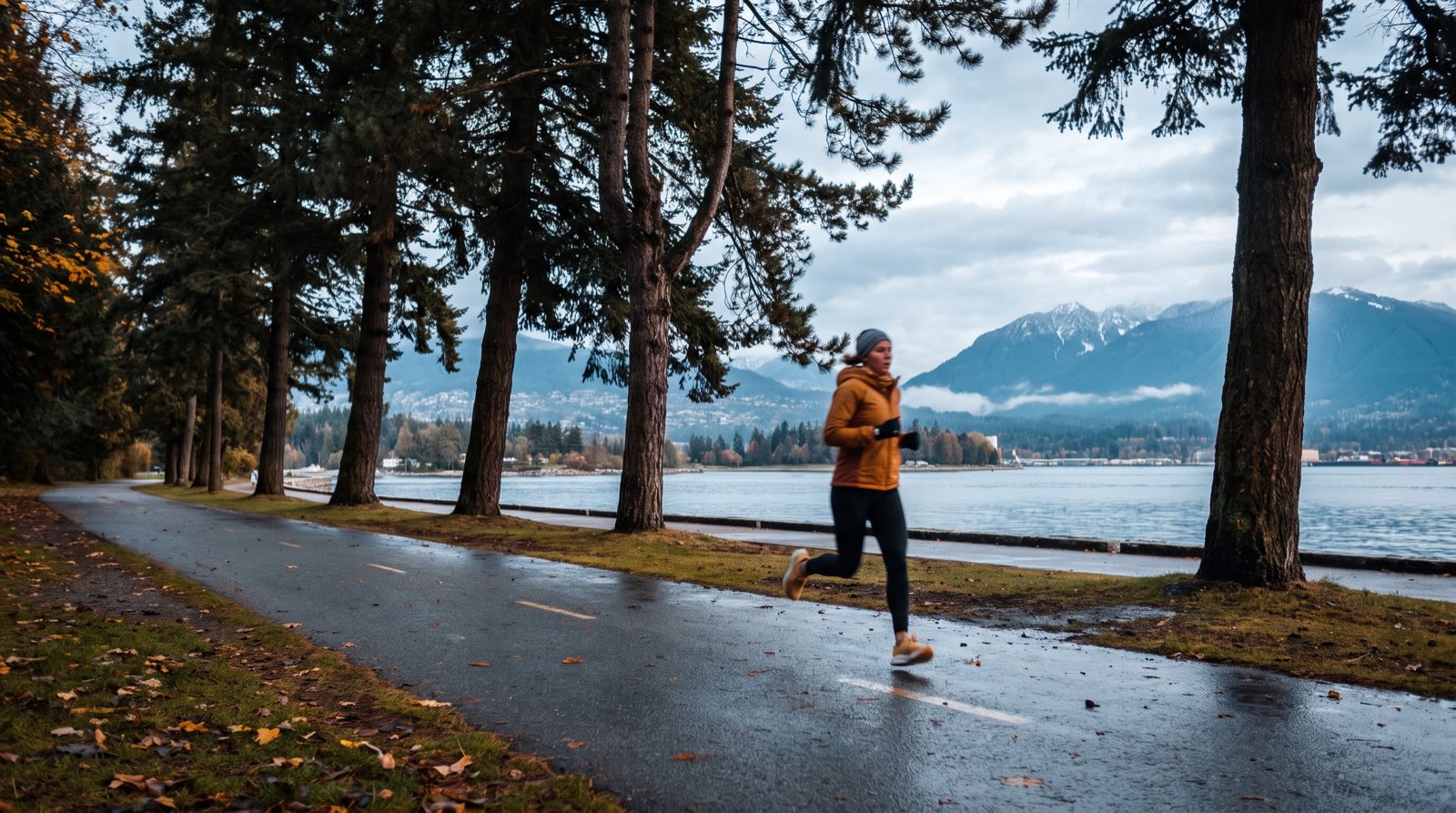
Start in Gastown at 8am, before the cruise-ship crowds arrive and while the steam clock is still just a curiosity for the handful of people awake to see it. Walk the seawall around Stanley Park clockwise, so the mountains stay in front of you rather than at your back. By mid-morning, cut over to Granville Island market for coffee and the kind of produce stall photos everyone takes and nobody regrets.
Commercial Drive is where you eat lunch, not Robson Street. Kitsilano Beach at 6pm, when the light comes in low off English Bay and the volleyball games are winding down, is the version of Vancouver worth remembering. Chinatown after dark, around Keefer Street, has the better night market in summer months. One honest note: Vancouver is expensive even by Canadian standards, and the good ramen queues start forming by 6:30pm, not 7.
Give the North Shore a half-day before you leave. Deep Cove at 7am, kayak rental not yet open, is quiet in a way the city rarely manages. Skip Capilano Suspension Bridge and its gift shop queue; Lynn Canyon two exits further along has the same forest and swimming holes for no admission fee, and locals will tell you so if you ask at any coffee counter in Lonsdale.
Days 4-5 · The Trans-Canada Highway, Rogers Pass and the honest warning
Leave Vancouver early on Highway 1 East. The first stretch to Kamloops is unremarkable and you'll want to push through it; stop for gas and nothing else. Break the monotony at Craigellachie, just past Sicamous, where a modest cairn marks the Last Spike and the completion of the original transcontinental railway in 1885. It takes ten minutes and gives the rest of the drive some weight.
The drive earns its reputation after Kamloops, climbing toward Revelstoke and then Rogers Pass through Glacier National Park, where the road threads between peaks that still hold snow in July.
Here is the warning nobody puts on the tourist board: this pass closes without much notice. Avalanche control shuts the highway for hours at a time between November and April, and even in shoulder season the weather at 1,300 metres has nothing to do with the weather you left in Vancouver. Check conditions before you leave each morning, not the night before. Fill the tank in Revelstoke; the stretch after it has fewer stations than the map suggests, and towns are further apart than they look on a phone screen with no signal.
Break the drive overnight in Revelstoke or Golden rather than pushing straight through. Both towns are small enough to see in an evening and neither pretends to be more than a stopover, which is honestly a relief after Vancouver.
Days 6-9 · Banff and the Icefields Parkway, slower than you planned
Arrive in Banff and immediately lower your expectations for parking. Get to Moraine Lake by 6am if you want to see it without a shuttle queue; by 9am the lot is closed and you're on a bus like everyone else. Lake Louise the same morning, same rule. Banff Avenue itself is worth an evening for the shops and the Cave and Basin boardwalk, not much more.
Johnston Canyon at dusk, when the day-trippers have gone, is quieter and the light through the canyon walls is better than any time you'll get at midday. Drive the Icefields Parkway north toward Jasper for at least half a day even if you turn back before you reach it: the Columbia Icefield viewpoints alone justify the fuel. Elk wander into Banff townsite most evenings and treat them like the wild animals they are, not photo props; a Parks Canada ranger will tell you the same thing with less patience the second time.
Give one day to Yoho National Park, just over the provincial border into British Columbia and often skipped entirely. Emerald Lake at 9am, before the canoe rental line forms, is a quieter version of everything Moraine Lake promises at four times the crowd. Take the Sulphur Mountain gondola in Banff itself only on a clear morning; on a cloudy one you're paying for a view of cloud, and the town's rooftop terraces do the same job for the price of a coffee.
Day 10 · Your own chapter
From Banff, three honest options, none better than the others. Push north to Jasper and loop the full Icefields Parkway before flying home from Calgary, which needs another two days minimum and a tank of patience for wildlife stops. Fly out of Calgary directly and save the rest for a second trip, which is what most people quietly wish they'd planned from the start. Or head south across the border to Montana's Glacier National Park for a different, wilder register of the same mountains, passport permitting. We won't choose for you. The best stretch of any Canadian trip is usually the one that wasn't in the original plan.
Send one home from {destination} - your photo, fourteen words, and a stamp that gifts data back.
{destination} eSIM from {price} - and your first postcard home is free.
More places to take it
All guides →