London, then one train south
London's big attractions all involve a queue, a timed ticket, and a photograph you've already seen a thousand times before you arrive. None of that is where the city actually lives. This trip spends four days in the markets and backstreets that make London worth revisiting, then boards a train south to Cornwall, where the pace drops entirely, the food gets simpler and better, and nobody's in a queue for anything at all.
Days 1-4 · London, market by market
Start in Borough Market before 9am, while the stallholders are still setting up and the crowds haven't arrived to queue for the same six photogenic stalls. This is a working food market that happens to also be a tourist attraction, not the other way round, and the cheese, bread and coffee here are worth the early alarm on their own. Southwark Cathedral next door is free, quiet, and a genuinely calm five minutes before the day picks up.
Spend an afternoon in Broadway Market in Hackney, on a Saturday if your dates allow it, for a version of London that's less about heritage and more about what the city's actually eating right now. Columbia Road Flower Market on a Sunday morning does the same for a different crowd entirely, and both are a better use of a weekend than anything in central London's postcard core. Shoreditch's street art, changing month to month on the same handful of walls, rewards a slow wander more than a guided tour ever could.
London's parks do a version of the city guidebooks rarely credit properly. Hampstead Heath, big enough to lose the crowds within ten minutes of any entrance, has a swimming pond that's open through the summer and a view from Parliament Hill that rivals anything sold as a paid viewpoint elsewhere in the city. Victoria Park in the east end does the same job for anyone based nearer Hackney, with a Sunday market of its own that draws a genuinely local crowd rather than a coach tour.
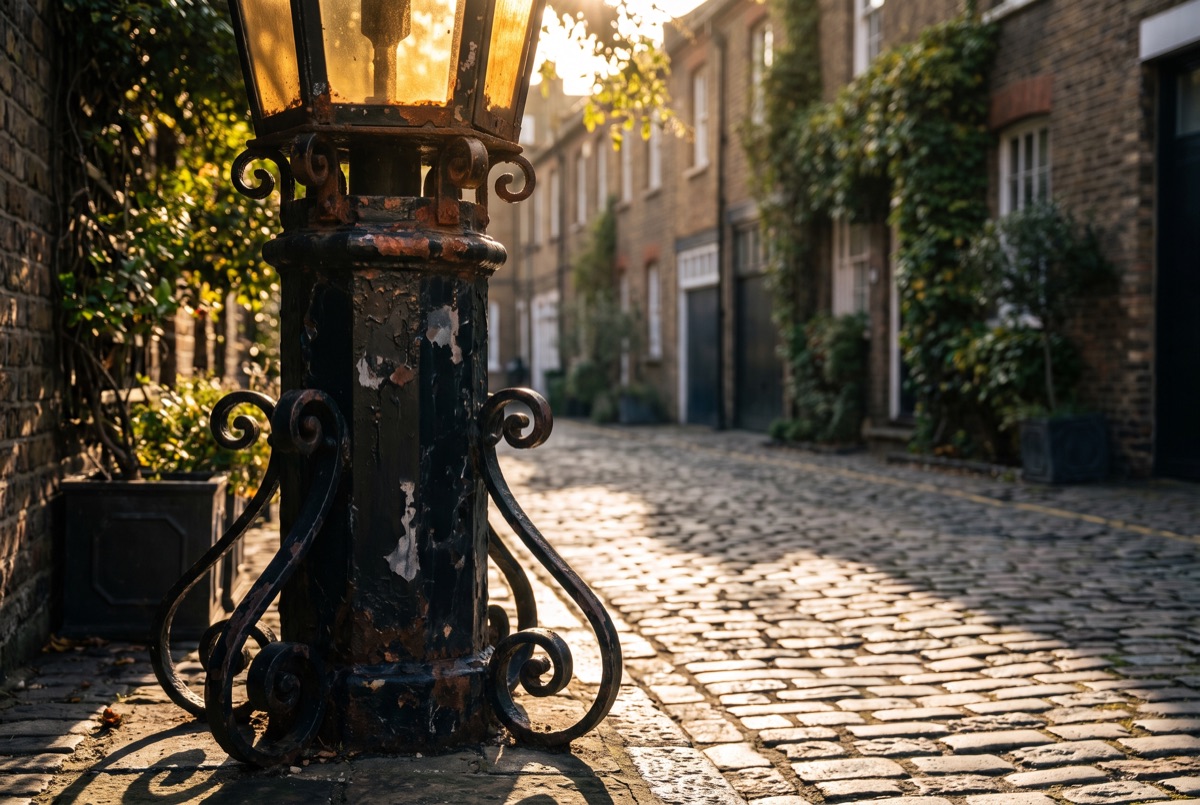
Give one evening to a proper pub, not the chain version with a laminated menu, but a genuine local: a Sunday roast if the timing works, or just a pint and a packet of crisps at the bar while the regulars ignore you entirely, which is its own kind of welcome. The Southbank at dusk, walking from the Tate Modern to the London Eye without going anywhere near the Eye's queue, gives the same skyline for free and at a pace that suits an evening rather than a schedule, second-hand book stalls under Waterloo Bridge included.
Skip the West End's overpriced chains for dinner and head instead to Brick Lane for curry, still genuinely good despite the tourist reputation if you pick a restaurant with more locals than menus taped to the window outside. Neal's Yard, hidden behind an unmarked door near Covent Garden, is worth finding for the colour alone, and the cheese shop there does a better lunch than most sit-down restaurants nearby charge for.
Days 5-6 · Cornwall, by train
The train from Paddington to St Ives, changing at St Erth, takes about five hours and turns into one of the country's better rail journeys somewhere past Exeter, when the line hugs the coast so closely that the sea is sometimes metres from the window. Book in advance; the fare difference between a booked seat and a walk-up ticket on this route is significant, and the scenery is worth a window seat you've actually reserved rather than whatever's left when you board.
St Ives itself is a working fishing harbour with an art scene that arrived properly in the twentieth century and never left; the Tate St Ives sits right on the beach, an unusual pairing that works better than it sounds. Eat a proper Cornish pasty from a bakery that's been making them for decades, not the service-station version, and walk the coastal path toward Zennor for cliffs that don't need a filter to look the way they do in photographs.
The harbour itself is worth an early morning before the beach crowds arrive, when the fishing boats are still unloading and the seagulls haven't yet organised themselves into the pasty-stealing squads St Ives is quietly famous for. Porthmeor Beach, right beside the Tate, has a surf school running most mornings if the water and the weather cooperate, and even a spectator's hour on the sand is a fair trade for the five hours on the train it took to get here.
Day 6 · Your own chapter
Padstow, a short drive or bus ride along the coast, if you want one more fishing town with a reputation for good seafood restaurants and a harbour just as photogenic as St Ives without the same crowds. The Eden Project, if you're travelling with anyone under twelve and need one indoor option for a rainy Cornish afternoon, its biomes rising out of an old clay pit like something from another planet. Or just stay in St Ives, find a bench above the harbour, and let the last day be about doing nothing in particular somewhere that looks this good doing it.
Send one home from {destination} - your photo, fourteen words, and a stamp that gifts data back.
{destination} eSIM from {price} - and your first postcard home is free.
More places to take it
All guides →