Switzerland by train, honestly
Let's deal with the cost first, because everyone who's been will bring it up before you've finished describing your trip. Switzerland is expensive in a way that's structural, not incidental: wages are high, the franc is strong, and a sandwich at a station kiosk costs what a sit-down lunch costs elsewhere. None of that is a reason to skip it. It's a reason to spend deliberately, know where the money buys something extraordinary, and cut the rest. The trains, it turns out, are the extraordinary part, and this trip is built around them.
Nowhere else runs a rail network this precise: connections measured in minutes rather than the padded half hours other countries build in, boats that dock exactly when the train from the other direction pulls in, cable cars timed to the same clock. That precision is what you're actually paying for, and once you've ridden it for a day, the cost stops feeling like an argument and starts feeling like an explanation.
Days 1-2 · Zurich and Lucerne, by rail
Zurich rewards exactly one day, not more. The old town along the Limmat is handsome without needing much of you, and Lake Zurich is worth an hour's walk along the promenade, but the city's real job is being a well-run gateway to everywhere else. Eat once at a proper Swiss institution, a plate of rösti or veal in cream sauce at a place that's been open since before your grandparents were born, and accept the bill as the cost of the lesson.
The budget move that actually works here: buy groceries. Migros and Coop, the two national supermarket chains, sell excellent bread, cheese and prepared meals at a fraction of restaurant prices, and a picnic by the lake does more for the trip than a rushed sit-down dinner. Locals do this constantly, not out of frugality but because the alternative doesn't make sense for a weekday lunch. Follow their lead and save the restaurant spending for the meals that are actually worth it.
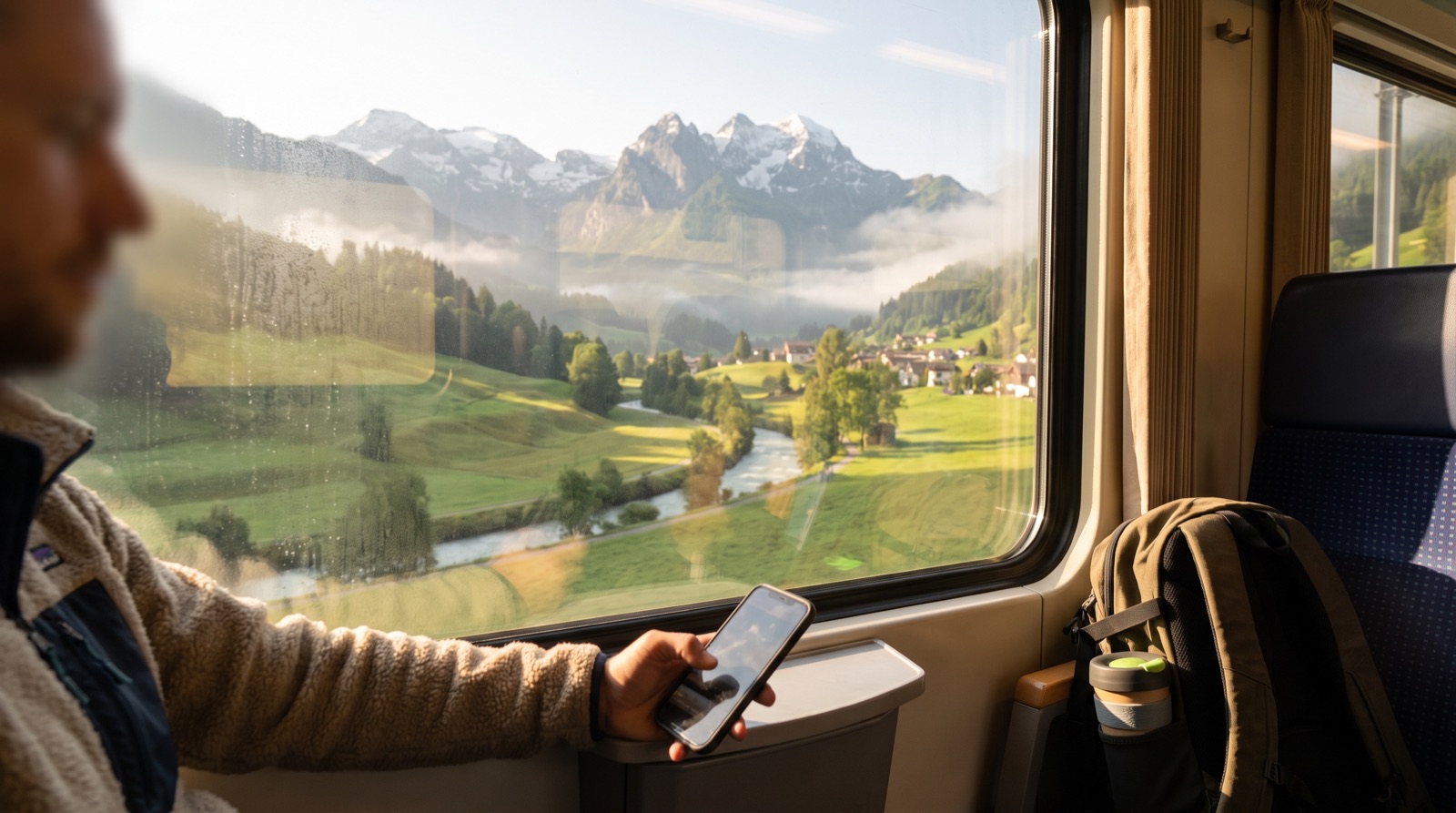
Take the train to Lucerne the next morning rather than staying a second night in Zurich; it's forty-five minutes and the Alps start appearing in the window before you've finished your coffee. The Chapel Bridge and old town are handsome but brief. What's worth the day is Mount Pilatus or Rigi, reachable by a combination of boat and cogwheel railway that is, by itself, one of the best travel days you can buy: a lake crossing, a near-vertical train up a mountainside, and a summit view over half the country for anyone who's willing to book the connection in advance.
Days 3-5 · Lauterbrunnen valley, and why people come back
This is where the trip earns its cost. Lauterbrunnen is a single valley cut so deep and so straight that waterfalls fall directly off the cliff walls into the village itself, seventy-two of them by the official count, though nobody's really counting after the first dozen. It has no cars, one road in, and a cable car that replaces most of the walking you'd otherwise need to do.
Stay in the valley itself rather than commuting up from a cheaper base further out; the time saved on transfers buys back more than the extra cost of a bed in Lauterbrunnen or Wengen, and being there for the early light on the waterfalls is worth the premium on its own. A campsite at the valley floor, right beneath the falls, is the one genuinely affordable option here and remains one of the more memorable places to sleep in Europe regardless of budget.
Take the train up to Wengen or Mürren, both car-free villages perched on the valley's shoulders, and let the view do the work an itinerary usually has to. Grindelwald, on the valley's other side, is the base for the Jungfraujoch railway, Europe's highest, which climbs through solid rock to a station above the clouds. It is genuinely expensive, one of the few things in this country that costs as much as its reputation suggests, and it is also one of the only ways to stand on a glacier without any climbing gear. Book it early morning, before the cloud usually rolls in by early afternoon, and check the live weather forecast rather than the guidebook's average.
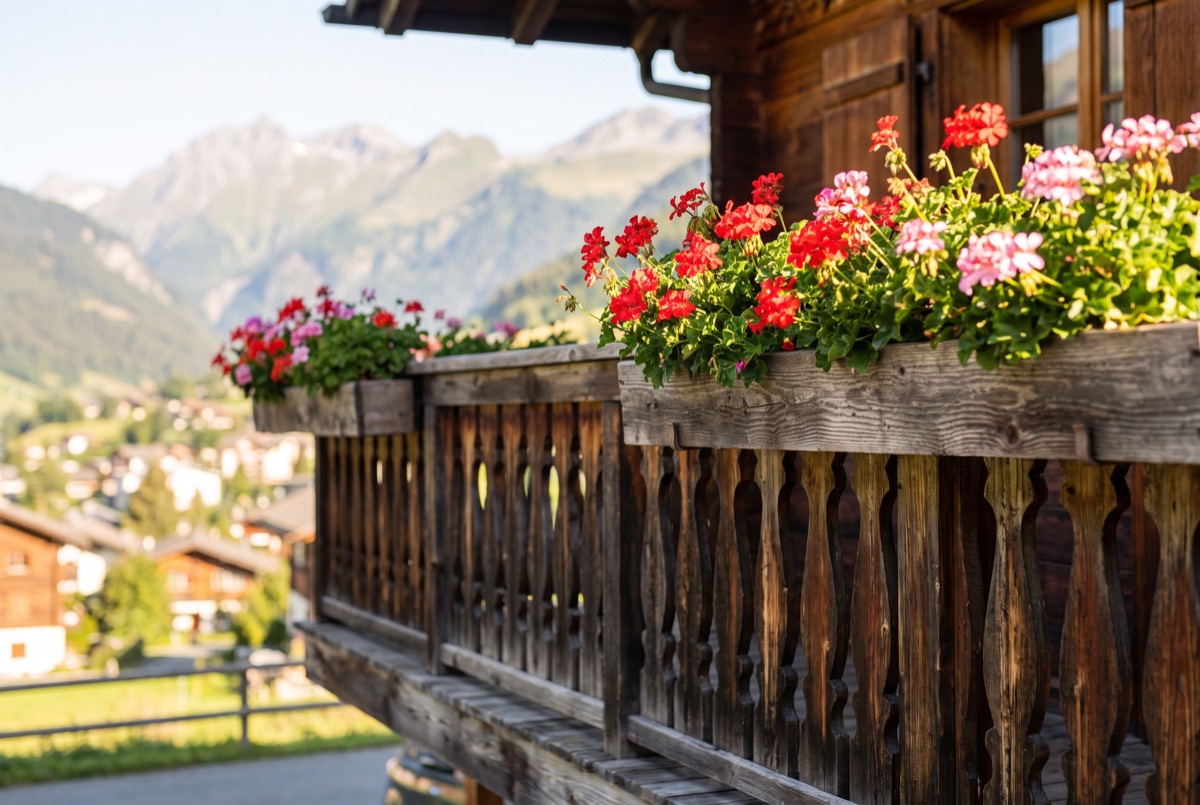
If the full Jungfraujoch ticket feels like too much for one day, Männlichen's cable car and the ridge walk to Kleine Scheidegg cost a fraction of it and deliver nearly the same view of the Eiger's north face. This is the honest budget move in this valley: pick one expensive thing to do properly, and let a cheaper alternative cover the rest. A regional Half Fare travelcard, bought once at the start of the trip, cuts most of these fares in two and pays for itself within the first two or three rides, which makes it one of the few purchases on this trip that's worth doing the maths on before you leave home.
Day 6 · Your own chapter
Interlaken, the valley's transport hub, if you want a lake on each side and an evening that doesn't require a plan. Bern, ninety minutes by train, if you want a UNESCO old town with bears in a pit by the river and none of the mountain crowds; the sandstone arcades along the Kramgasse are covered, so it's a sound plan even if the forecast has finally turned. Or stay in the valley, pick a village you haven't slept in yet, and spend the day walking rather than riding. The trains will still be there tomorrow, and so will the waterfalls; neither is going anywhere in the time it takes to have one slower day.
Send one home from {destination} - your photo, fourteen words, and a stamp that gifts data back.
{destination} eSIM from {price} - and your first postcard home is free.
More places to take it
All guides →