Rome at its own pace, and Orvieto after
Rome and Florence sit close enough on the map to tempt you into doing both badly, and every itinerary promising three days in each is really promising six exhausted half-days spent checking things off rather than seeing them. Pick one. Rome rewards the traveller who commits to its size and its contradictions, three thousand years stacked one on top of another without much apology, while Florence is a smaller, gentler argument for staying put in a handful of streets. This guide picks Rome, because a week here still leaves you wanting more, which is the right feeling to end a first trip to Italy on. Florence will still be there next time, whole and unhurried, waiting for a trip of its own.
Days 1-4 · Rome, layer by layer
Base yourself in Monti, an easy walk from both the Forum and Termini, and structure the first two days around timed tickets rather than turning up and hoping. Book the Colosseum, Forum and Palatine combined ticket online for the first slot of the day, and use the Via Sacra entrance into the Forum rather than queueing at the Colosseum itself; you'll have the Temple of Vesta and the Arch of Titus nearly to yourself before the coach groups arrive around ten. Climb the Palatine afterwards for the view over the Circus Maximus, then let the afternoon go slack. Rome punishes a tight schedule more than most cities; give yourself a gelato stop and an hour with no destination, ideally in Monti's own quiet piazzas rather than the strip around the Trevi Fountain.
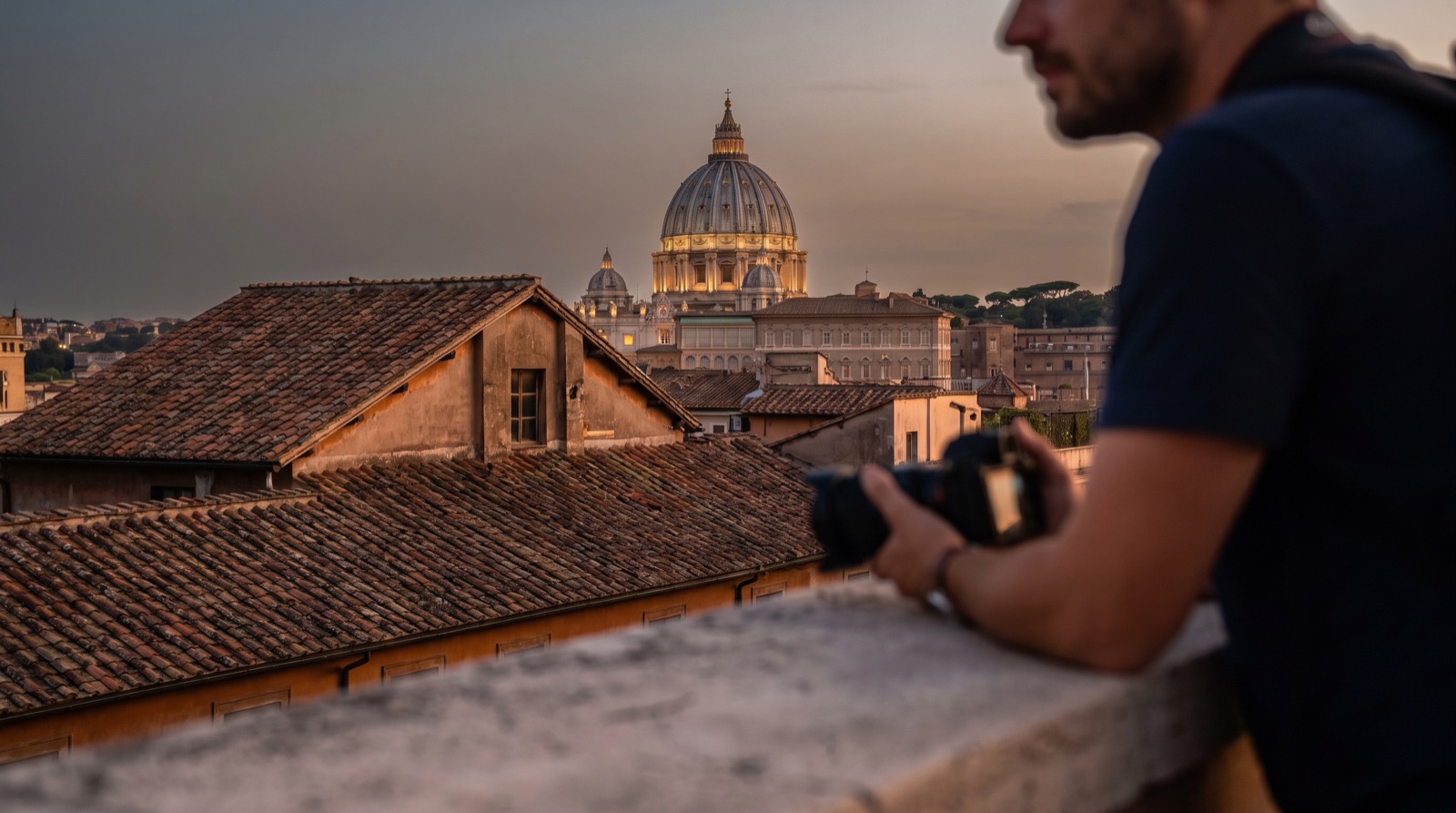
The Vatican Museums deserve the same discipline. Book the earliest entry slot you can find, ideally 8am, and go straight for the Sistine Chapel before doubling back through the galleries, so the ceiling gets your full attention rather than three hundred phones held above a crowd's heads. St Peter's Basilica is free to enter, but the dome climb needs a separate ticket and a head for narrow stairwells; do it early or skip it, because the queue by midday snakes the length of the piazza in July. Trevi Fountain works the same trick in reverse: go at 6am when it's just you, the water, and the street cleaners, not at 6pm with three tour buses idling nearby.
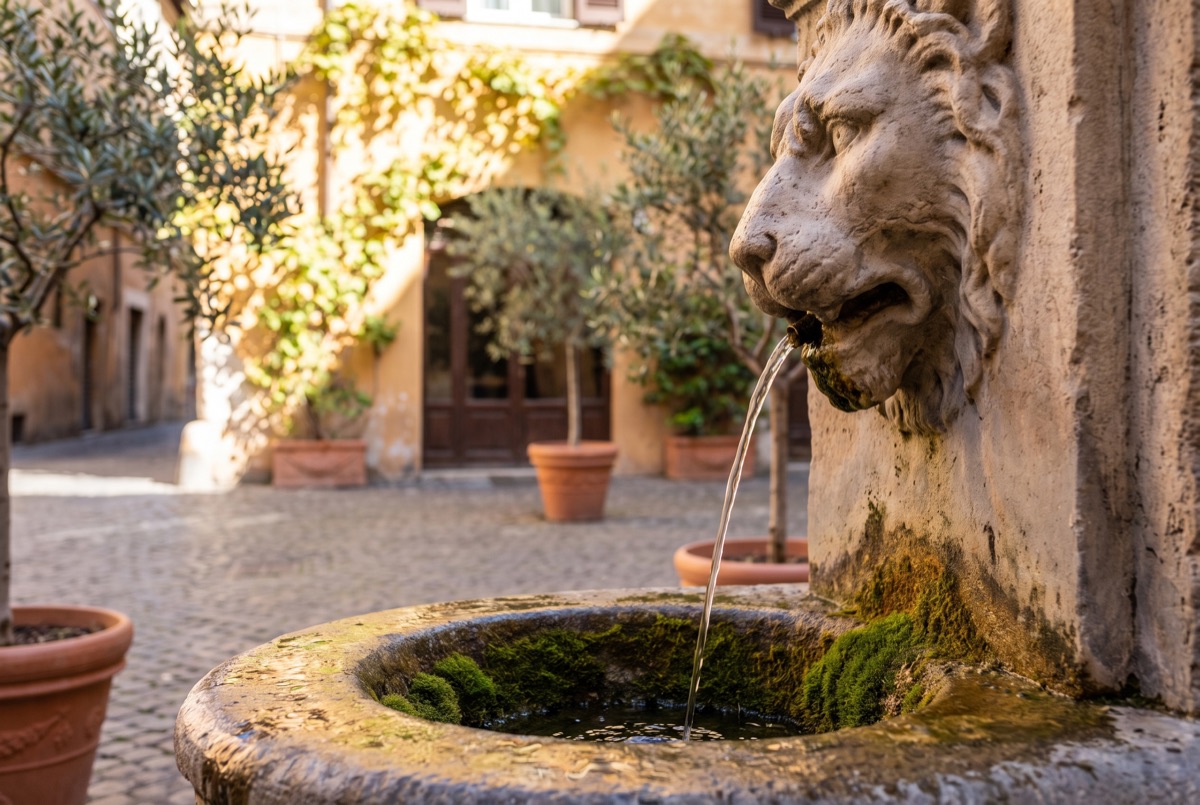
Evenings belong to Trastevere and Testaccio, and the two reward different appetites. Trastevere after dark is cobblestones, ivy-covered trattorias, and a piazza in front of Santa Maria that fills up slowly rather than all at once; Testaccio is where Romans actually eat, built around a nineteenth-century market and a former slaughterhouse now full of osterias serving the offal dishes the guidebooks mention but rarely explain. Campo de' Fiori is worth a morning for its flower and vegetable stalls, before ten, and worth avoiding by night once it's traded produce for overpriced spritz. Squeeze in the Aventine keyhole on the walk between the two neighbourhoods, the tiny door on the Piazza dei Cavalieri di Malta that frames St Peter's dome through a tunnel of clipped hedges, then drop down to Circus Maximus for the same dome from a wide-open field with a fraction of the visitors. One honest warning: restaurants immediately beside the Colosseum or the Trevi Fountain run on tourist-trap pricing. Walk two streets back from any major sight before you sit down, and both the price and the food improve.
Days 5-6 · Orvieto, the exhale
Take the Intercity or Frecciabianca from Roma Termini to Orvieto rather than driving; it's around seventy minutes, considerably faster and cheaper than hiring a car for two days, and it drops you right below the town. Book through the Trenitalia app a day or two ahead for the better fares, then take the funicular up from the station rather than the road; it's a two-minute ride that turns arrival into an event, climbing straight into the walls of a town built on a plug of volcanic rock. The Duomo's striped marble facade is worth the trip alone, and it's genuinely quiet by Roman standards: no timed tickets, no scrum at the door.
Spend an afternoon underground, literally. Orvieto Underground tours run through Etruscan caves, medieval wells and old olive presses carved into the volcanic tufa beneath the piazzas, cool even in August when Rome is unbearable, and the guides will point out pigeon niches cut into the rock that Etruscan farmers were using as a food source long before anyone thought to build a cathedral overhead. The Pozzo di San Patrizio, a sixteenth-century well with two spiralling staircases that never cross, is worth the small entry fee for the engineering alone; mules once carried water up one ramp while empty ones descended the other, and the two paths still don't meet. Evenings are for Orvieto Classico or a glass of Sagrantino from just over the Umbrian border, poured in a wine bar built into a cellar older than the country it sits in, with a plate of pecorino and wild boar salumi that needs no further explanation. It's a slower rhythm than fjord-hopping through Norway, where the next view is always round another headland; Orvieto asks you to sit still and let the light change over the valley instead.
Day 7 · Your own chapter
From Orvieto or back in Rome, the trip opens up. Ostia Antica is a forty-minute regional train from Roma Piramide, covered by a standard transport ticket, and gives you ruins on a Pompeii scale without the crowds or the extra rail leg south. Tivoli, half an hour out, pairs Hadrian's Villa with the fountains of Villa d'Este for a full day of gardens and ancient sprawl. Or go further: Naples and Pompeii proper are under an hour away by high-speed train, for a longer day and an earlier start. None of these is the wrong answer, and if slow, green, one-pub-a-day travel is more what you're after, save that for a trip to Ireland instead. Rome will keep.
rome takes its time with everything except your signal.
some things land the moment you do.
Send one home from {destination} - your photo, fourteen words, and a stamp that gifts data back.
{destination} eSIM from {price} - and your first postcard home is free.
More places to take it
All guides →