Lisbon, slowly
Lisbon does not want to be rushed, and the city has engineered itself so you can't be. The trams crawl. The hills stop you mid-stride, which is really just the city's way of making you look at the view instead of your phone. Three days gets you the postcard: Tram 28, a pastel de nata, a sunset at a miradouro. Four days is when the city underneath it starts to show, and that's the only version worth the flight.
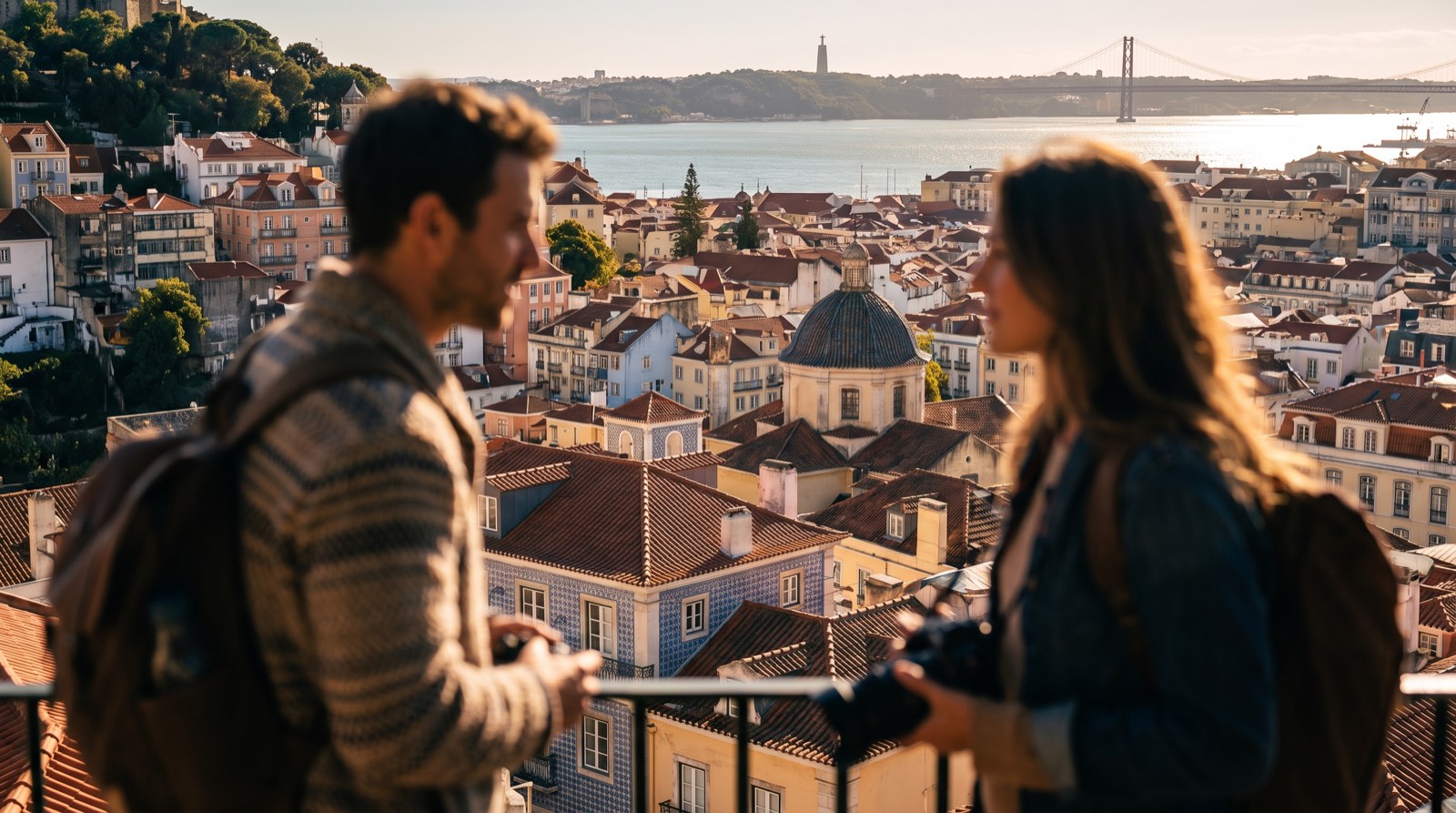
The light helps. Lisbon sits at the mouth of the Tagus and gets a particular late-afternoon glow off the water that turns every tiled facade gold for about forty minutes; locals call it a golden hour and mean it literally. Plan at least one evening around being somewhere high when it happens, ideally with a small glass of ginjinha, the sour cherry liqueur sold from hole-in-the-wall bars for less than a euro a shot.
Days 1-4 · Lisbon, hill by hill
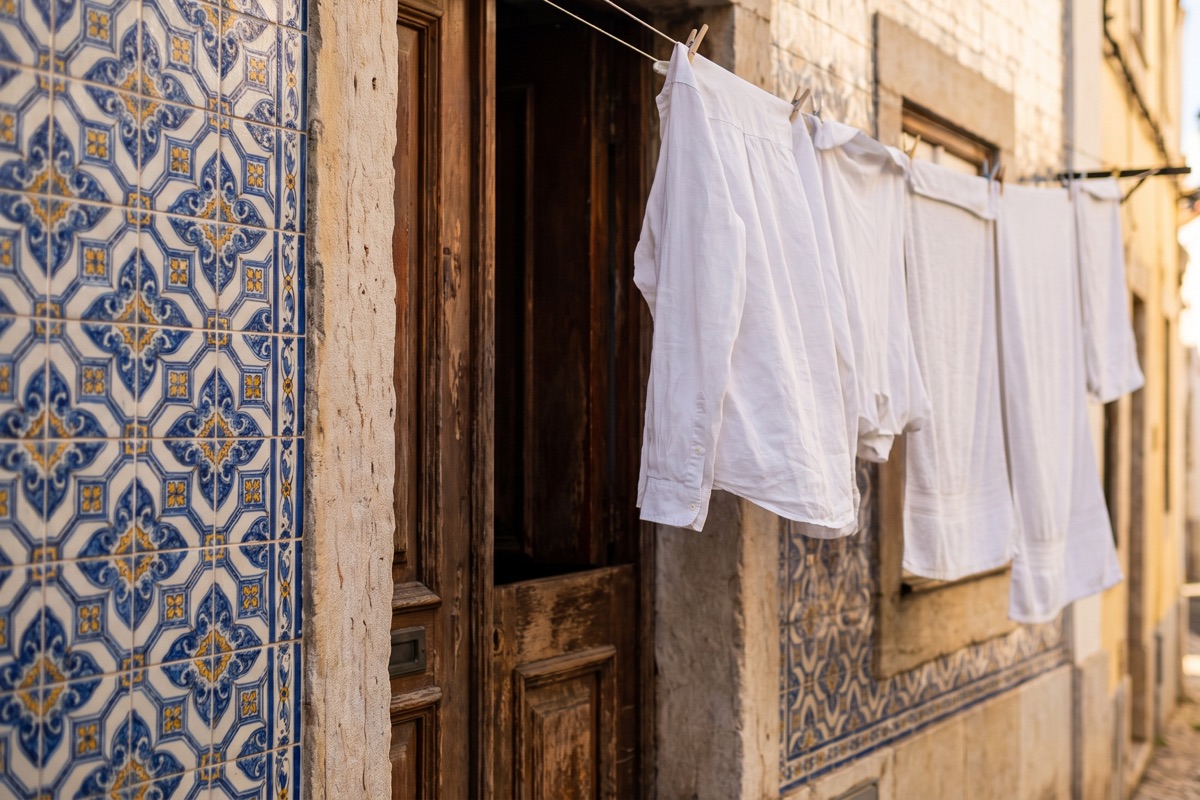
Start in Alfama before the tour groups do, around 8am, when the washing lines are still out and the only sound is someone's radio through an open window. This is the oldest part of the city and it survived the 1755 earthquake because it's built on rock, which also means it's built on a slope: wear proper shoes, not the ones you packed for the beach. Climb to Miradouro das Portas do Sol for the river view, then keep going up to Graça, where the same view is quieter and the coffee is a third of the price.
Skip the fado shows that advertise in three languages outside the tram stop. The real thing happens in small tascas in Alfama and Mouraria, often unannounced, often after 10pm, and the room goes silent the moment the singer starts, which is how you know it's not for tourists. Ask your guesthouse where locals go; the good ones will tell you.
Feed yourself properly and often. A bifana, pork in a bun with mustard and nothing else, costs less than a coffee back home and is better than most things that cost more. The pastel de nata argument, Manteigaria versus the original at Belém, is not worth having; both are correct, and Manteigaria's is closer to wherever you're staying. For dinner, find a marisqueira with a tank of live crabs by the door and point, or order a round of petiscos, Portugal's answer to tapas, and let the table fill up slowly rather than committing to one plate.
Mouraria, just downhill from Alfama, is Lisbon's least photographed and most interesting neighbourhood: a mix of Bangladeshi grocers, old-school tascas and the odd fado bar that predates the tourists by decades. It's also where you'll find the cheapest, best bifanas in the city if you ask around rather than trust a review site. The Time Out Market near Cais do Sodré is fun once, for the novelty of eating six different kitchens under one roof, but it's not where Lisbon actually eats, and one visit is plenty.
Take the Elevador da Bica once, early, before the queue forms, and then walk everywhere else; the city's public lifts are for photographs, not transport. Príncipe Real is where Lisbon buys its clothes and drinks its natural wine, and it's worth an afternoon even if you buy nothing. On Sunday, LX Factory under the 25 de Abril bridge runs a market that's more interesting for the crowd than the stalls, and the old printing-press building it's housed in is worth the ticket on its own.
Day 5 · Sintra, or the coast
Sintra is forty minutes from Rossio station and looks like someone built a fairy tale into a hillside, because more or less someone did. The catch is that everyone knows this, so arrive on the first train and be at Pena Palace's gates before it opens; by 10am the queue snakes down the hill and the magic thins out with it. Quinta da Regaleira, with its spiral well cut straight into the rock, rewards a slower walk more than the palace does, and the Moorish Castle above it gives you the view over both without the crowd. Book timed entry online before you go; the ticket booth queue on site can eat an hour you don't have, and Sintra's single road up the hill has no shortage of tour buses competing for the same slot.
If palaces aren't your thing, the same train line splits toward Cascais and the coast: a working fishing town turned genteel seaside escape, with a proper Atlantic beach, a cliffside boca do inferno worth the short walk, and grilled fish that tastes like it was swimming an hour ago. Either day works. Neither is a mistake, and if you're travelling with someone who wants palaces while you want sea air, the two towns are close enough to split without losing the day to transfers.
Day 6 · Your own chapter
Belém for the monastery and the actual first pastel de nata, if you skipped it earlier; the Jerónimos cloister is free after 5pm on the first Sunday of the month, which nobody tells you at the ticket desk. Óbidos, a walled medieval town an hour north by bus, if you want one more place that looks unreal in photographs and is somehow better in person, with a cherry liqueur served in an edible chocolate cup at every second doorway. Or just stay in Lisbon, pick a miradouro you haven't seen, and let the day happen without a plan. That's usually the one people remember, and it costs nothing to be wrong about where it ends up.
Send one home from {destination} - your photo, fourteen words, and a stamp that gifts data back.
{destination} eSIM from {price} - and your first postcard home is free.
More places to take it
All guides →