China, sorted before you land
A first trip to China rewards preparation more than almost anywhere else does. Sort your visa, get a VPN installed and tested, and link a foreign card to Alipay or WeChat Pay before you fly, and the week more or less runs itself from there. Skip that admin and you'll spend your first day locked out of the apps you need, unable to pay for a bowl of noodles, and refreshing a browser that was never going to load. None of that is a reason to wait for someday, and none of it is as complicated as the warnings make it sound; it's an evening of downloads and account setup, done once, from your own sofa. This is one week, two cities, and no ambition to be complete: Beijing for the weight of the place, Shanghai for the speed of it, and a day at the end that belongs entirely to you.
Days 1-3 · Beijing, apps sorted first
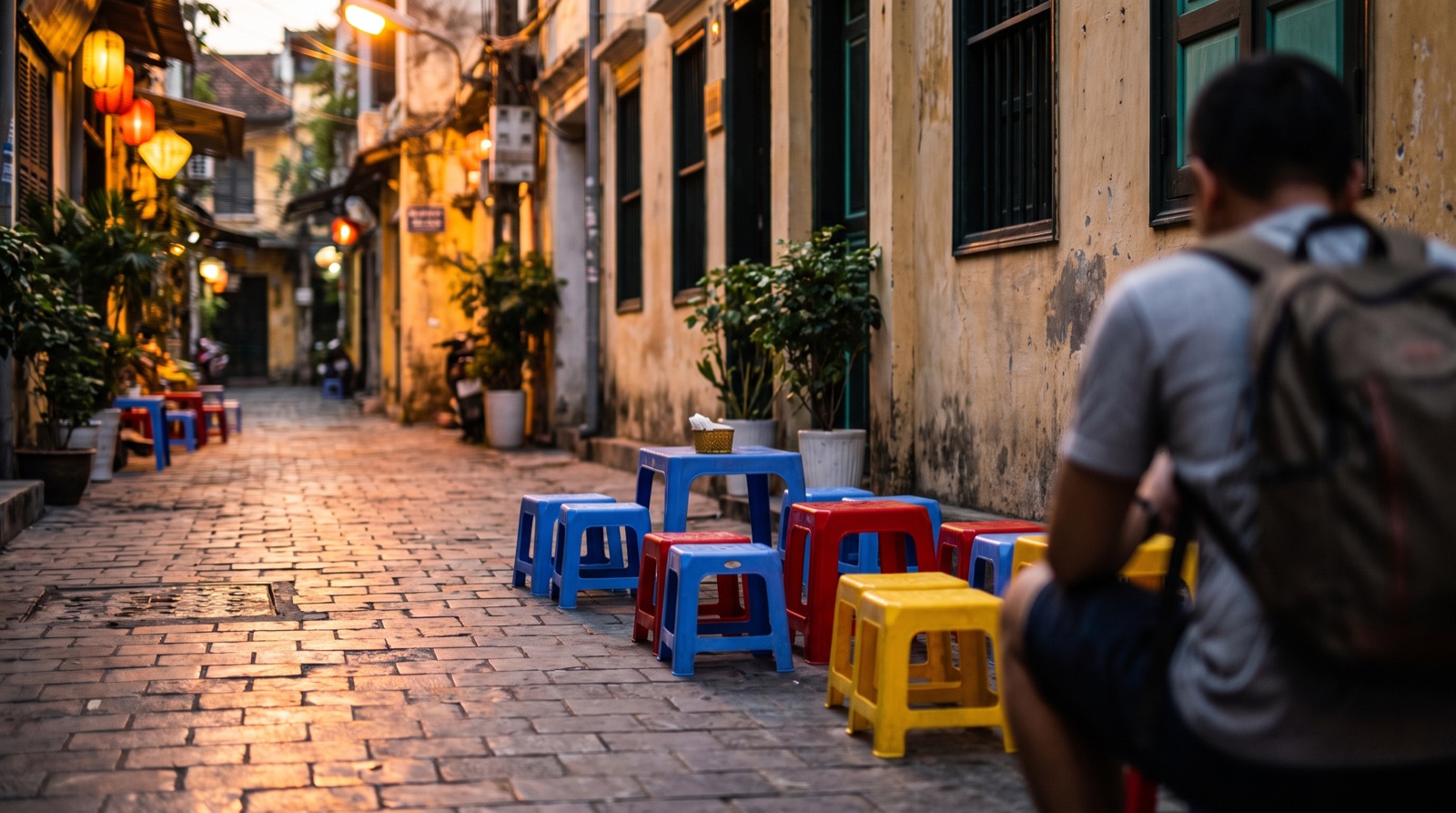
By the time you clear immigration at Beijing Capital, your eSIM should already be live. That won't help a VPN you haven't tested, but it will help Alipay, and Alipay is the more urgent problem in your first hour. Once that's handled, forget your phone for a morning. Be at Temple of Heaven park by 7am, when it belongs to retirees doing tai chi and ballroom dancing under the cypress trees, not to tour groups who arrive closer to nine. Spend an afternoon losing the plan entirely in the hutongs around Nanluoguxiang and Guozijian Hutong, where courtyard homes back onto lanes barely wide enough for a bicycle cart, and a bowl of zhajiangmian from a stall with no English menu will beat anything you booked in advance. Climb the Drum Tower in the late afternoon if your knees allow it: the view over grey courtyard rooftops, with the modern skyline held at a polite distance, is worth the queue.
Give the Great Wall its own day, and go to Mutianyu rather than Badaling: a longer drive from central Beijing, a fraction of the crowd, and a cable car up so the walking is on the wall itself, not the approach to it. Go early and you'll have long stretches of parapet to yourself before the coach tours arrive around eleven, and the toboggan run down is a genuinely good way to end a morning of climbing watchtowers. Evenings belong to Houhai lake, where the bars are unremarkable but the walk around the water at dusk, past old men fishing and someone always practising an instrument badly, is the whole point. If you still have appetite, Ghost Street (Guijie) a little to the east runs past midnight, entire blocks of red lanterns and crayfish stalls, and it's a fair test of how much Sichuan pepper you can actually handle.
Days 4-6 · Shanghai, the neon and the noodle stalls
Take the high-speed train, not the flight: four and a half hours, comfortable seats, and a look at the countryside a plane skips entirely. Shanghai is Beijing's opposite number, and the French Concession is where that shows clearest. Wukang Road and Anfu Road are lined with plane trees and the kind of coffee shops that wouldn't look out of place in Melbourne, a useful reminder that this is also a very young, very online city. Ferguson Lane and the lanes off Julu Road do the same trick with wine bars and independent boutiques instead, and are worth an unplanned hour before dinner.
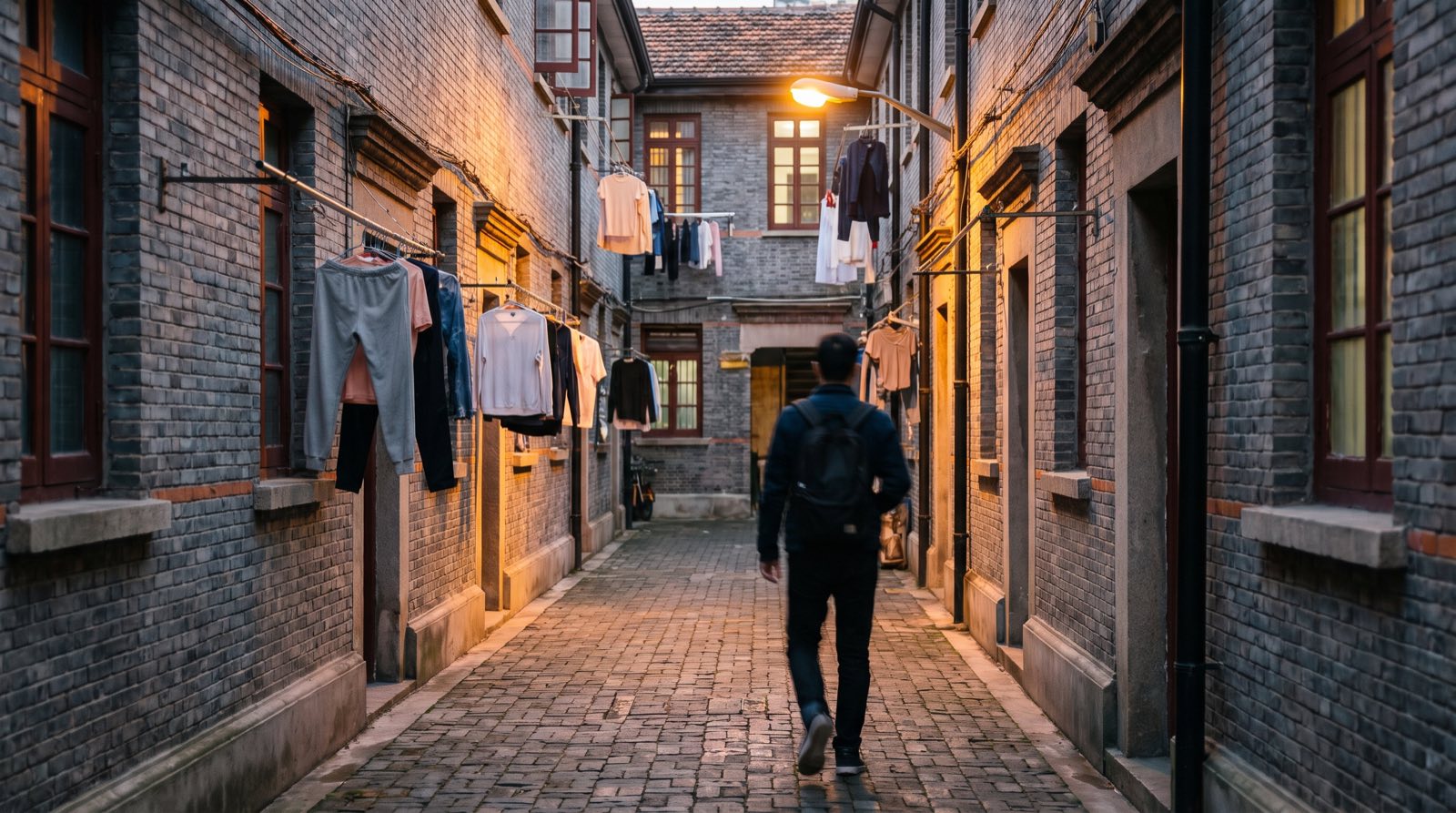
Cross into the old town for Yu Garden's bazaar in the early evening, when the lanterns come on and the afternoon crowds have thinned. Xiaolongbao here are aimed squarely at tourists; skip the queue at the famous window and take the same soup dumplings two streets back at a third of the price and none of the wait. The real food, though, is a few streets over: the wet markets and stand-up noodle counters near Jing'an, where a stall might be a single wok and three stools and a queue of locals who already know which one to join. Walk the Bund at dusk for the skyline everyone photographs, then walk back through Tianzifang's lane houses for the version of the city nobody does: laundry lines, tiny workshops, a print studio the size of a cupboard, and a courtyard café that only fits six tables.
One honest warning: Google Maps barely functions inside China, VPN or not, because the underlying map data is restricted at source. Download Amap (Gaode Maps) before you go and be ready to type destinations in Chinese characters, since English transliteration search is patchy at best. It's a five-minute fix if you do it at home, and a frustrating one if you try to do it from a taxi.
Day 7 · Your own chapter
Xi'an if you want the terracotta warriors and a city wall you can cycle in an afternoon, the whole loop taking a little over two hours at an easy pace. Hangzhou if you'd rather trade another capital for West Lake and tea fields, an hour from Shanghai by train and worth the whole day it costs you. Or stay in Shanghai and do nothing in particular: find a park at 6am doing what Beijing's parks do, spend a morning in a bookshop café, and let the week settle before your flight home. We won't choose for you; the last day of any first trip is better spent following what the previous six taught you to notice than ticking off one more site. If this trip is the loud half of a longer one, our guide to Greece, island by island is the quiet half: put the VPN away and pick up a ferry timetable instead.
"the wall keeps its silence,
the city never learned to."
Send one home from {destination} - your photo, fourteen words, and a stamp that gifts data back.
{destination} eSIM from {price} - and your first postcard home is free.
More places to take it
All guides →