Barcelona beyond the Ramblas
La Rambla is not Barcelona. It's the avenue Barcelona built for people who wanted a photograph and a churro and were happy to leave it there, and every local will tell you to walk through it once, hold onto your phone, and move on. The actual city starts a few streets back, in neighbourhoods that don't bother translating their menus, and this guide spends most of its time there before catching a train to prove Catalonia doesn't end at the city limits.
Days 1-2 · El Born and the Gothic Quarter, at ground level
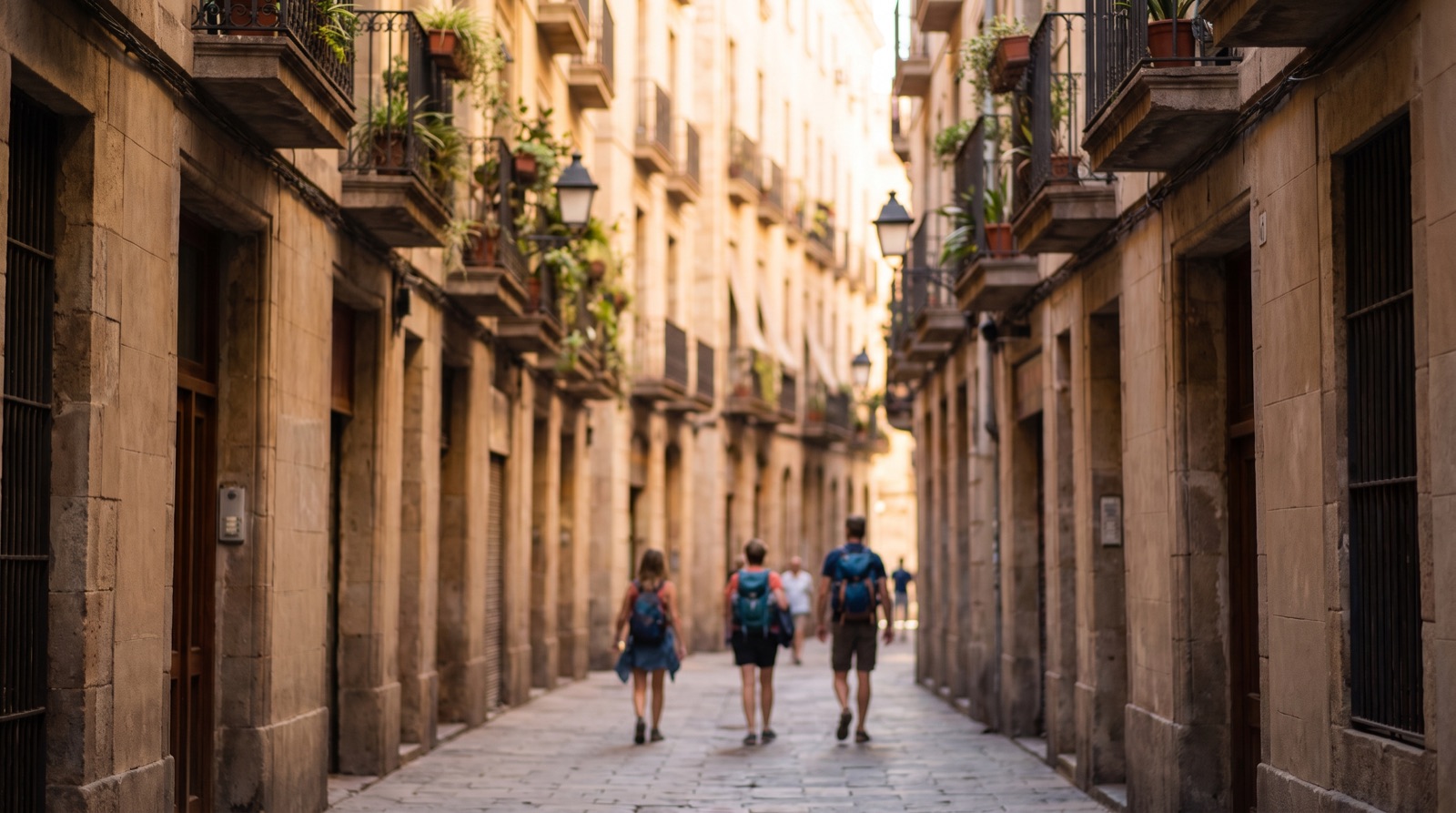
El Born rewards aimless walking more than almost anywhere else in Europe: medieval streets narrow enough to touch both sides, a workshop-turned-bar around most corners, and the Picasso Museum if you want a reason to stop moving for an hour. Santa Maria del Mar, built by dockworkers rather than royalty, is free to enter and quieter than the cathedral a ten-minute walk away, which is worth seeing but not worth queuing for.
Order vermut before dinner, the way locals actually do: a glass poured from the tap at a bar like El Xampanyet, olives on the side, no food required to justify it. Dinner itself should be pintxos in the Basque style bars scattered through the Gothic Quarter, small plates on toothpicks, the bill tallied by counting sticks rather than reading a menu. Avoid any restaurant on Carrer Ferran with a photo menu and a tout outside; that's the Ramblas economy creeping into the old town, and the food matches the trick.
Spend one of these mornings in the Boqueria market, but early, before 9am, when it's stallholders setting up and locals buying breakfast rather than a crowd three deep taking photographs of the same fruit stand. A café con leche and a pa amb tomàquet, bread rubbed with tomato and olive oil, costs less than the coffee you'd have paid for at home and does more work. By 10am the market has turned into something closer to a theme park, and it's worth having seen the version before that happens.
Days 3-4 · Gràcia and Poble Sec, where the city actually lives
Gràcia was its own town before Barcelona swallowed it, and it still behaves that way: small squares with a fountain and a bar apiece, residents who know each other, and almost no reason for a tour bus to stop. Plaça del Sol and Plaça de la Vila de Gràcia both fill with locals over a beer as the evening cools, and neither has a menu in five languages. Gaudí's Park Güell sits at the edge of the neighbourhood; book the timed entry online in advance, arrive at opening, and treat the mosaic terrace as the reason you came rather than the whole visit.
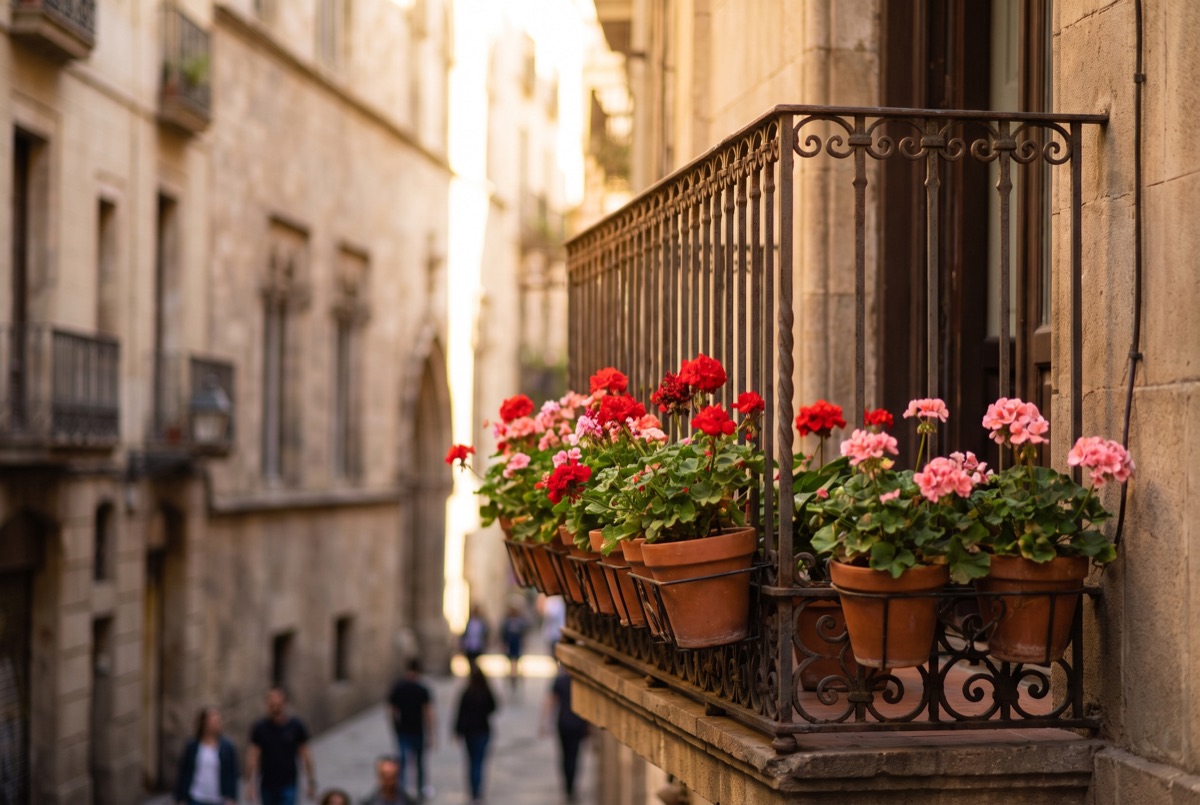
Poble Sec, on the other side of the city near Montjuïc, has become Barcelona's most interesting food street without losing its residential feel. Carrer de Blai runs a pintxos crawl of its own, cheaper and less touristed than the Gothic Quarter version, and the hill above it, Montjuïc, is worth the cable car ride for the harbour view alone. End an evening here with a walk down to the beach at Barceloneta, which is real sand and real sea, just not the postcard the city's marketing leans on.
Between the two neighbourhoods, give an afternoon to the Sagrada Família even if you've seen every photograph of it already; the interior light, filtered through stained glass that changes colour through the day, is not something a photo carries across. Book the timed slot weeks ahead if you can, and go mid-afternoon rather than morning, when the light through the east windows is at its best and the queue outside has already thinned.
Day 5 · Girona, a city in miniature
Girona is ninety minutes by train from Barcelona Sants and does everything Barcelona does at a scale you can actually finish in a day: a walled old town, a cathedral with the widest Gothic nave in the world, a river lined with pastel houses that look painted on. Walk the medieval walls for the full circuit view, then get lost in the Jewish Quarter's stone stairways, among the best-preserved in Europe. Book the train in advance on a weekend; the Barcelona-Girona line fills with day-trippers by mid-morning, and the difference between an early and a late train is the difference between having the walls to yourself and sharing them with three tour groups.
Lunch in Girona is worth planning around rather than leaving to chance. The city has quietly become one of Catalonia's serious food towns, home to El Celler de Can Roca when it's not fully booked months out, but the smaller tapas bars around the Rambla de la Llibertat do the same regional cooking at a tenth of the wait. A menu del día at lunch, a fixed set of courses for a flat price, is standard practice here and usually the best value meal of the whole week.
Day 6 · Your own chapter
Montserrat, the jagged mountain monastery an hour outside the city, if you want altitude and silence. Sitges, thirty minutes down the coast, if you want a beach town with better restaurants than the name suggests. Or just pick a Gràcia square you haven't sat in yet, order a vermut, and let the trip end the way it should have started: slowly, and without a plan.
Send one home from {destination} - your photo, fourteen words, and a stamp that gifts data back.
{destination} eSIM from {price} - and your first postcard home is free.
More places to take it
All guides →