Istanbul, two continents, one ferry
No other city lets you have breakfast on one continent and dinner on another without booking a flight. Istanbul straddles the Bosphorus so completely that crossing between Europe and Asia is a twenty-minute ferry ride locals take to get to work, and doing it yourself, more than once, more than you think you need to, is the actual point of visiting. This trip spends most of a week on both sides of that water, then flies east to Cappadocia, where a completely different kind of view takes over: not water and minarets but rock and sky, seen from a wicker basket at dawn.
Days 1-4 · Istanbul, both sides of the water
Start on the European side, in Sultanahmet, where the Hagia Sophia and the Blue Mosque sit close enough to visit both before lunch. Go at opening, 8am for the Hagia Sophia specifically, because by 11am the courtyard between the two is shoulder to shoulder with tour groups working from an identical schedule to yours. The Basilica Cistern, an underground reservoir held up by recycled Roman columns, is a cooler, quieter hour worth adding to the same morning.
The Grand Bazaar is worth one pass for the scale of it, four thousand shops under one roof, but the better shopping and eating happens outside its gates in Karaköy and Galata, where old warehouses have filled with independent coffee roasters and design shops without pushing the neighbourhood's working-class character out entirely. Climb the Galata Tower at golden hour for the rooftop view over both the old city and the water, and skip the guided tours that cluster at its base; walking up from Karaköy on foot covers the same ground for free.
The Spice Bazaar, smaller and less overwhelming than the Grand Bazaar, is worth a slower browse for anyone who actually wants to buy something rather than just look: saffron, dried apricots, Turkish delight sold by weight rather than in gift boxes aimed at tourists. Haggling is expected and part of the transaction rather than an imposition; a firm, friendly counter-offer is normal practice, not rudeness.
Cross to the Asian side on the ferry from Eminönü or Karaköy to Kadıköy, not as a day trip but as a genuine second half of the city. Kadıköy's fish market and the Moda seaside promenade have a completely different rhythm to the tourist-heavy European side: fewer carpet shops, more actual Istanbullus doing their actual shopping. Çiya Sofrası, a restaurant serving regional Anatolian dishes rarely found even elsewhere in Istanbul, is worth crossing the water for on its own.
Kadıköy's Tuesday market, Salı Pazarı, spreads across several streets and sells the vegetables and cheese that end up on Istanbul's actual dinner tables rather than its tourist menus. It's a better hour of people-watching than most paid attractions in the old city, and it costs nothing beyond whatever you end up buying because it looked too good to leave behind.
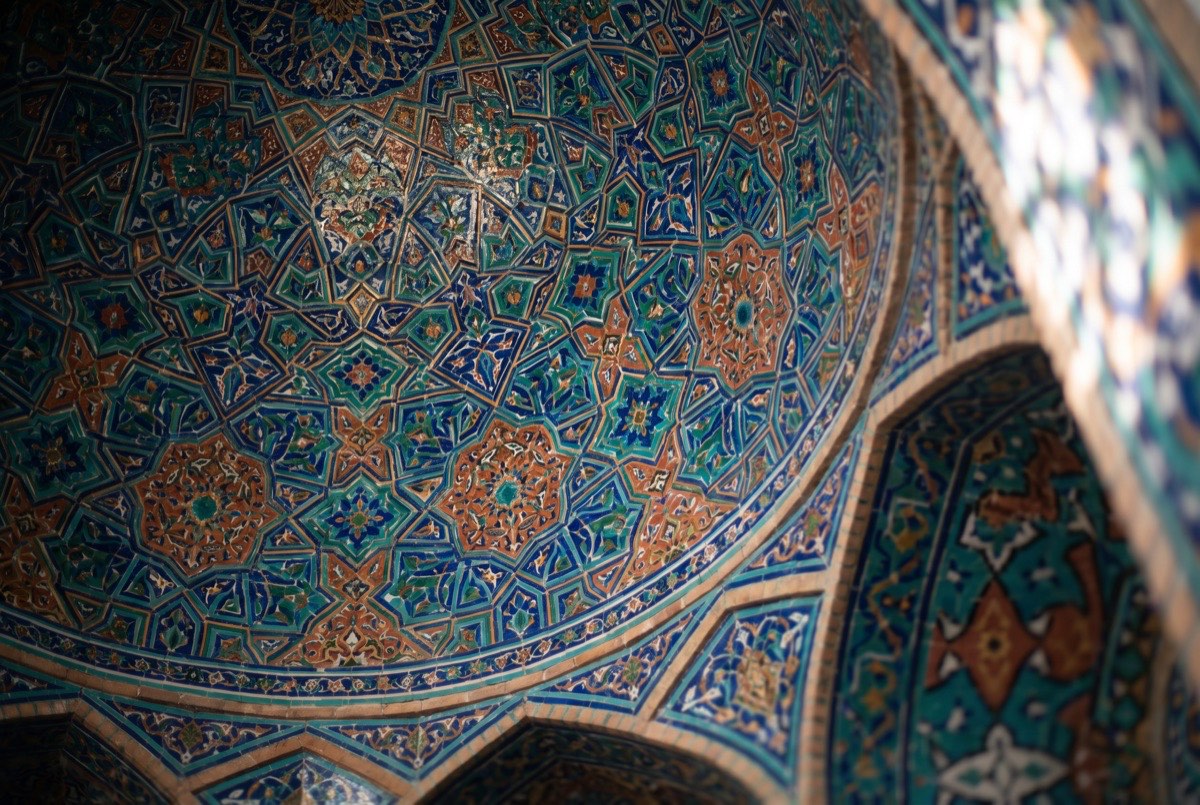
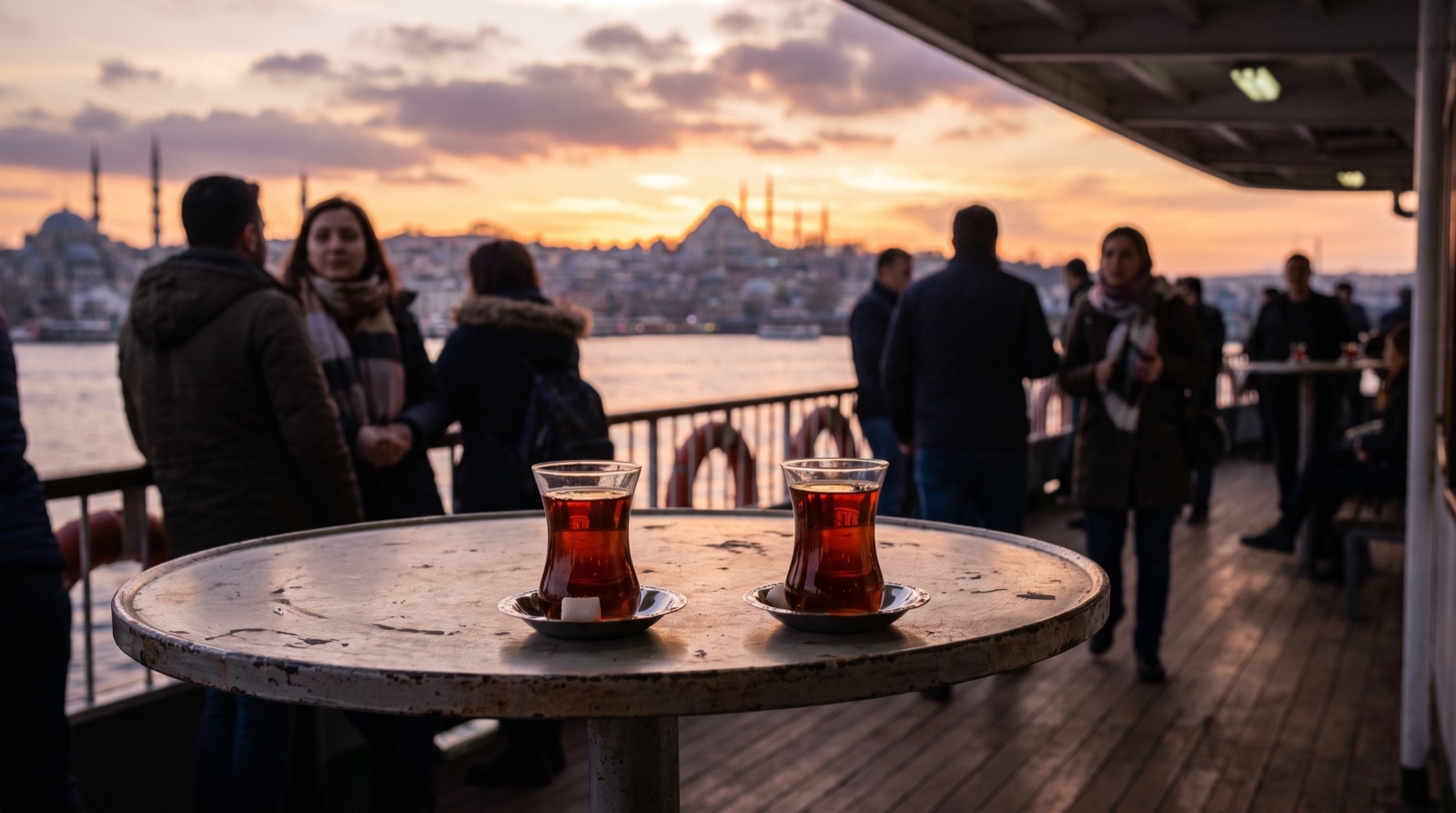
Eat breakfast properly at least once: a full Turkish kahvaltı spread, simit bread, several cheeses, olives, honeycomb, menemen eggs, ordered as a shared table rather than individual plates, and built to last two unhurried hours. The Bosphorus ferry itself, taken at sunset with a glass of tea from the onboard cart, does more for a trip to this city than most paid tours manage in an afternoon.
Days 5-6 · Cappadocia, from the air and the ground
A short flight from Istanbul, under an hour in the air compared to a full day on the road, Cappadocia trades the Bosphorus for a landscape carved by wind and volcanic ash into fairy chimneys, cave dwellings and underground cities that sheltered entire communities for centuries. The hot-air balloon flight at dawn, hundreds of balloons rising together over the valley, is genuinely one of the best sunrise views available anywhere, and it's worth the early alarm and the weather-dependent uncertainty that comes with it; flights get cancelled on windy mornings more often than operators like to advertise.
Göreme's open-air museum holds cave churches with frescoes that have survived a thousand years underground, and the Derinkuyu underground city, eight storeys deep, gives a sense of just how seriously this region took hiding from invaders. Rent a scooter or hire a driver to reach the valleys properly, Rose Valley and Love Valley both walkable in an afternoon, rather than trying to see Cappadocia entirely from a bus window.
Stay in a cave hotel at least once, carved directly into the rock rather than built to resemble it; the temperature stays even without air conditioning and the novelty of sleeping in a genuine cave is worth the trip on its own. Sunset at Sunset Point, aptly enough, gives a wide view of the valley for anyone who's already spent the dawn balloon budget elsewhere, and it costs nothing beyond the drive up.
Day 7 · Your own chapter
A Turkish bath, a proper hammam rather than the spa version, if your legs need what a week of walking and ballooning has earned; Çemberlitaş Hamamı, in use since the sixteenth century, is the real version done properly rather than the tourist-priced imitation nearer the main square. Uçhisar Castle for one more sunset view over the valley, quieter than the balloon-launch fields. Or stay in Istanbul a day longer instead of flying east, and let one more ferry crossing be the whole plan. Both halves of this trip are worth extending, and neither one runs out of streets worth walking down twice.
Send one home from {destination} - your photo, fourteen words, and a stamp that gifts data back.
{destination} eSIM from {price} - and your first postcard home is free.
More places to take it
All guides →